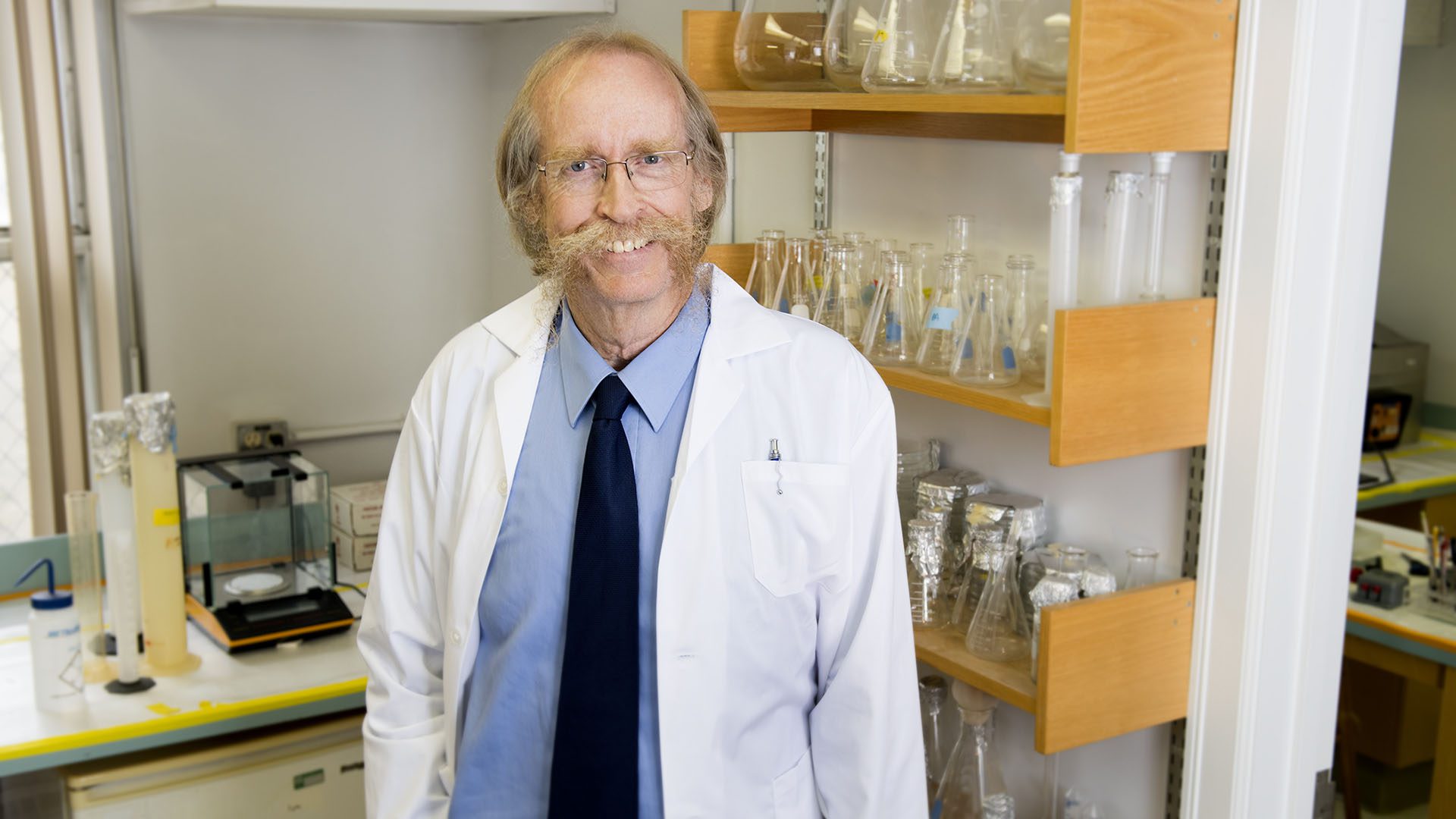

Dr. Robert Burrell is renowned not only in Edmonton and Alberta but globally for his groundbreaking contributions to medicine. Often labeled as a nanotechnologist, Burrell views himself differently, focusing on solving human problems rather than emphasizing the technology itself. To him, nanotechnology is a tool, used only when necessary.
As a pioneering biomedical engineer, Dr. Burrell revolutionized the treatment of burns and wounds with his development of Acticoat dressings—the first-ever therapeutic application of nanotechnology. His innovation launched a new industry of antimicrobial coatings for medical devices, saving millions of lives worldwide by combating life-threatening infections. More on iedmonton.net.
Early Life
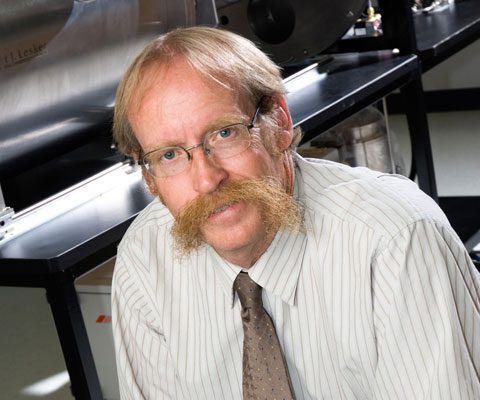
Born in Oakville in 1952, Robert faced health challenges from birth. He spent much of his childhood with his maternal grandparents, often accompanying his grandfather in his workshop. Robert’s paternal grandfather was an inventor, having patented a carburetor, while his father, a carpenter, was also a creative innovator. Together, they inspired Robert’s inventive spirit, instilling a strong foundation for his future career.
Robert pursued his studies with determination, earning degrees in zoology and microbiology from the University of Guelph, followed by a PhD in biology from the University of Waterloo.
Career Beginnings and Development
Dr. Cork, one of Robert’s early mentors, played a significant role in shaping his career, encouraging him to embrace innovation. Later, Dr. Morris recruited him as a medical engineer at Alcan International. In 1992, when Morris relocated to the West, he invited Robert to join the newly formed Westaim Corporation—a collaborative initiative to advance material development.
Westaim became the perfect platform for Robert to apply his expertise to medicine. His groundbreaking invention, Acticoat dressings, emerged from his discovery of the potent antimicrobial and anti-inflammatory properties of silver, especially in its nanocrystalline form. He incorporated nanocrystals of silver into the Acticoat dressings, which proved to significantly accelerate healing in patients.
Revolutionary Impact
Acticoat dressings demonstrated their importance during mass casualty incidents, effectively aiding recovery for burn victims. The dressings played a pivotal role in saving lives after the 2003 terrorist attack.
Dr. Burrell has continued his innovative work, holding key positions as Chair of Biomedical Engineering and Professor in the Faculty of Medicine and Dentistry at the University of Alberta. Previously, he served as Chair of Nanostructured Biomaterials Research at the same university.
His pioneering technology has spurred a global revolution in antimicrobial coatings for medical devices, extending applications to implants and stents.
Recognitions and Achievements
Dr. Burrell’s contributions have earned him international recognition across both engineering and medical fields. Highlights of his accolades include:
- The 2009 Manning Innovation Award
- Lifetime Achievement Awards for significant contributions to science and medicine in Canada
- Induction into the Canadian Academy of Health Sciences in 2013
- A Governor General’s Innovation Award in 2016, one of only six Canadians to receive the inaugural honor
- The Alberta Centennial Medal
With over 300 patents pending worldwide, Dr. Burrell remains a driving force in the development of life-saving diagnostic and treatment technologies for infectious diseases.