
Cholera is a severe infectious disease with a complicated course. It develops in a person’s intestines due to the Vibrio cholerae bacterium, presenting itself as intense diarrhea. It’s worth noting that this bacterium lives in food or water. The illness is closely linked to a lack of clean water, unsanitary conditions, and crowding. More on iedmonton.
Health authorities explain that once people consume contaminated food or water, symptoms can appear after several hours or even days. Those with sudden onset of symptoms suffer from severe diarrhea and dehydration. In addition, a person may complain of feeling unwell, nausea, and vomiting. Without treatment, cholera can kill within a few hours. The bacteria often penetrate the body asymptomatically.
Modern physicians use specialized oral rehydration solutions to treat cholera effectively. Unfortunately, these methods weren’t available to our ancestors. Avoiding the illness is possible if you maintain proper hygiene and handle food safely.
How the Disease Hit Edmonton
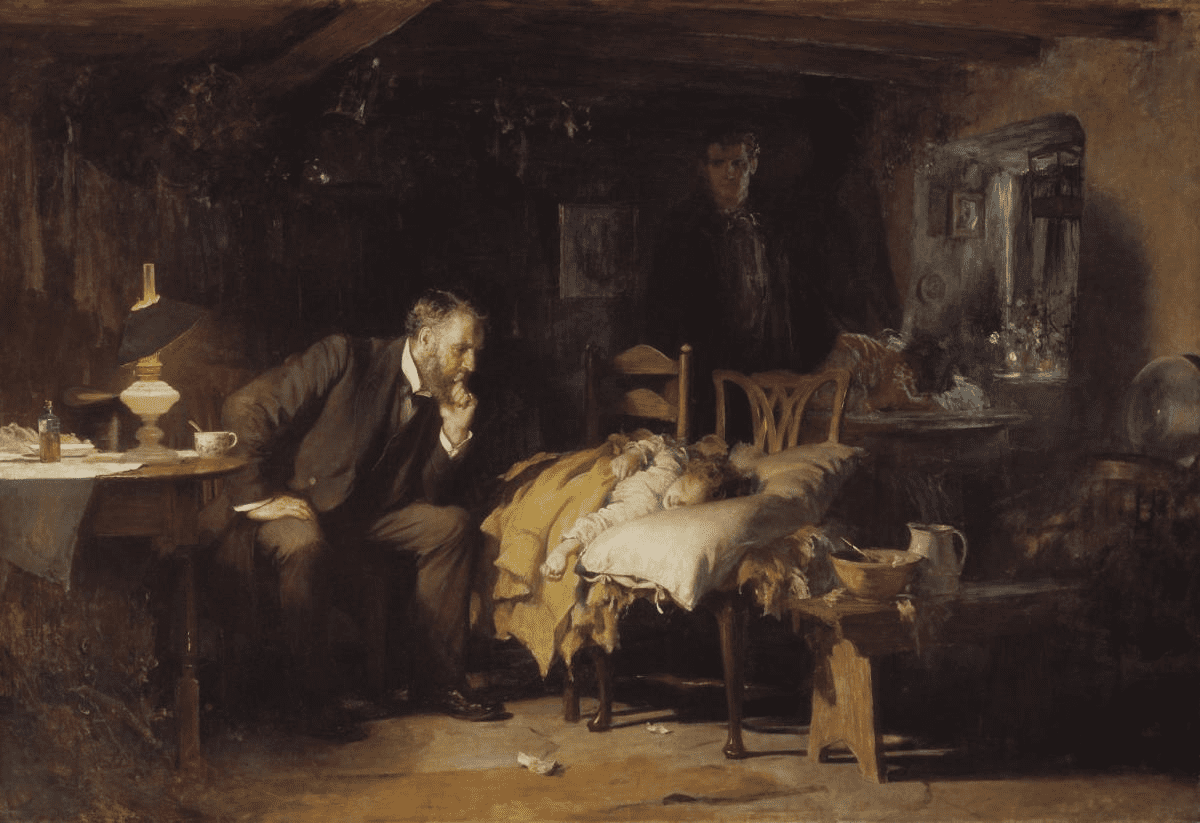
Historical records show the disease has existed since around 400 BC and was epidemic for centuries. The first recorded Canadian death occurred in 1831, at which time it was called “Asiatic cholera.”
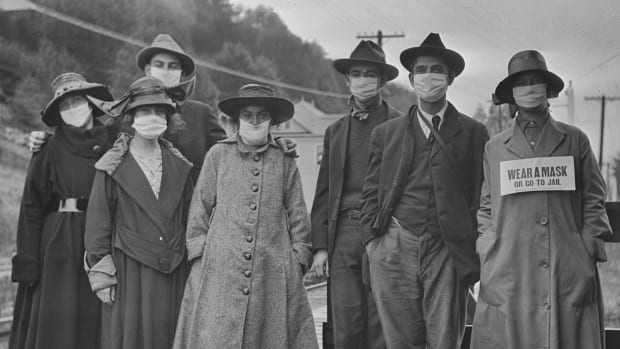
Once news about the disease spread, panic and fear followed. In the colonies, rebellion erupted. Approximately 25,000 people in Edmonton had reasons to worry, especially with over 10,000 European immigrants arriving in the city that year.
Anticipating that cholera might become widespread, officials took measures to prevent an outbreak. Montreal and Edmonton created two boards of health, providing resources and teaching the public about cleanliness. On the St. Lawrence River, a dedicated island for the sick was established, so they could isolate there and avoid infecting others.
This island opened in 1832 for European immigrants arriving by ship. Anyone disembarking was thoroughly examined by medical staff. However, the system was flawed. Some passengers on board were ill, while others had no idea whether they were infected. Regardless, the crowds of travelers caused close contact.
Cholera Treatment Approaches
During the 19th century, people believed that illnesses spread through “miasma,” or poisonous air. In 1832, Quebec authorities even ordered cannons fired to disperse these vapors. In Edmonton, artillery blasts aimed to purify the air, while at night, residents burned rosin. These efforts helped curb the disease’s spread, eventually leading to the development of more standardized remedies. Some doctors advised their patients to drink a spoonful of brandy every hour, believing it beneficial for the stomach.
No one could pinpoint the exact cause of cholera at the time. In Edmonton, many houses were cramped, often overcrowded. Streets were full of trash, and residents drank water from contaminated wells or, worse, directly from the river. Soon, the local Board of Health started enforcing regulations to protect public health.
Every dwelling had to be meticulously cleaned with lime. Authorities also introduced new rules on waste disposal, indoor spaces, and the burial of victims. Anyone who died from cholera during the day had to be buried right away—no time for mourning or funeral ceremonies.
Sadly, not everyone recognized the seriousness of cholera, and some tried fleeing from the city to rural areas, which usually led to further spread. It is difficult to count how many lives were lost to cholera in Edmonton.