
Edmonton is a city with a unique character, best understood through its most iconic symbols—landmarks and cultural elements recognized worldwide. This article explores these symbols and what makes Edmonton stand out internationally. More at iedmonton.net.
North Saskatchewan River and Riverside Parks
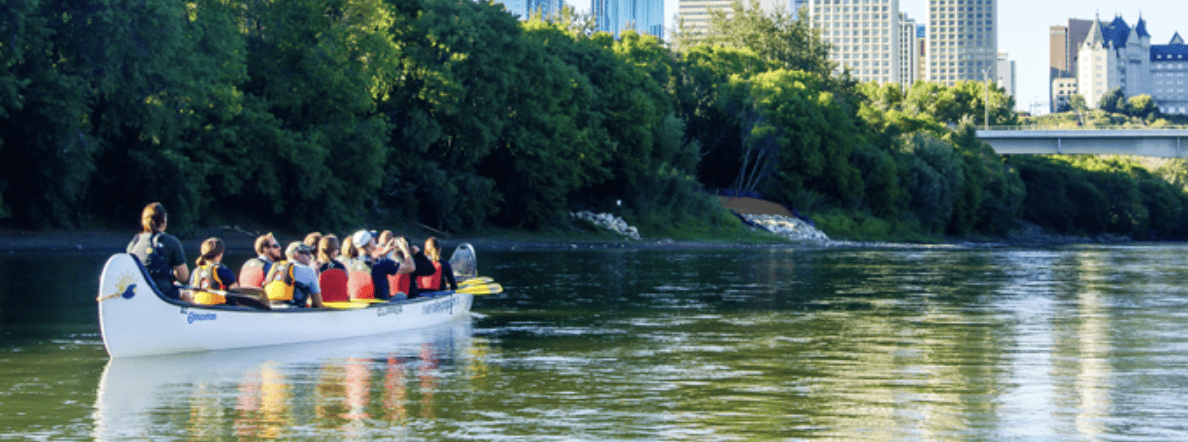
The North Saskatchewan River flows northeast through Edmonton, shaping the city’s atmosphere. It serves as a year-round recreational hub for locals, offering activities like canoeing, waterskiing, jet skiing, fishing, and even gold panning. These activities transform the urban environment into a welcoming retreat for relaxation.
Edmonton boasts numerous scenic riverside spots. One notable location is Fort Edmonton Park, where visitors can experience history firsthand. This historical park offers an authentic farm, vintage streetcars, opportunities to dress in period costumes, and relaxing riverside views.
Another standout attraction is the Commonwealth Walkway, a 10-kilometre trail through the North Saskatchewan River Valley. The walkway can be explored using a dedicated app that provides insights into Edmonton’s Indigenous heritage, historical events, and the river itself. Visitors can listen to podcasts on topics such as the river’s origin and how people crossed it before bridges existed.
West Edmonton Mall
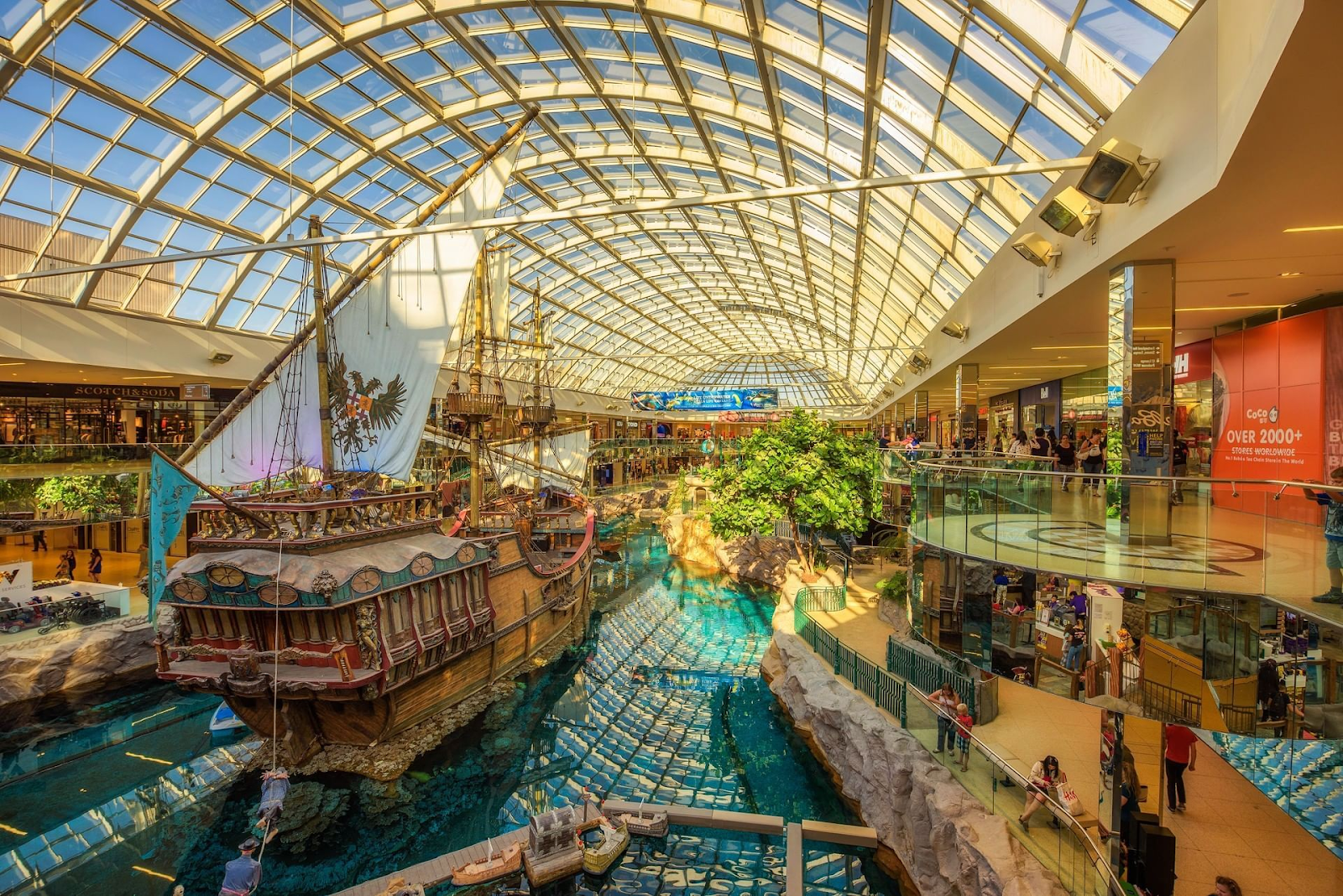
West Edmonton Mall is one of the city’s most famous symbols. As one of the largest shopping and entertainment complexes in the world, it was inspired by traditional Persian marketplaces that combined shopping and leisure in one location.
Covering 5.3 million square feet, the mall is comparable in size to a small town. It houses over 800 stores and services, two hotels, more than 100 dining options, and entertainment venues for all ages. With over 30.8 million annual visitors, it remains a major attraction.
West Edmonton Mall is also a strong community partner, supporting charities and hosting more than 50 fundraising events for non-profit organizations annually. Additionally, the mall collaborates with environmental initiatives to reduce its ecological footprint.
Edmonton Oilers Hockey Team

The Edmonton Oilers are a professional hockey team and a defining symbol of the city. The team plays at Rogers Place, which opened in 2016 and serves as a unifying space for fans, creating an atmosphere of pride and enthusiasm.
Founded in 1971 by Canadian hockey icon “Wild Bill” Hunter, the Oilers brought high-level professional hockey to Edmonton. Hunter also served as the team’s coach for several years. The team’s golden era was in the 1980s, when hockey legend Wayne Gretzky led them to four Stanley Cup victories.
Beyond sports, the Edmonton Oilers embody the city’s spirit. On game nights, downtown streets are packed with fans dressed in the team’s blue, orange, and white colours, chanting and celebrating together.
Northern Lights
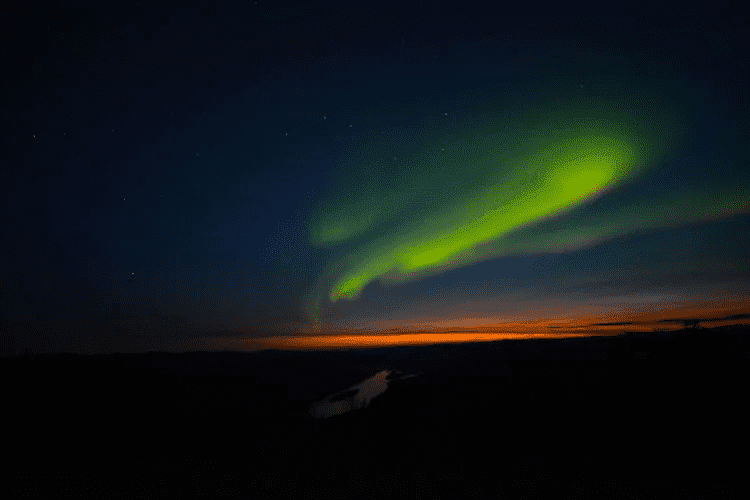
The Northern Lights are another breathtaking symbol of Edmonton. This natural phenomenon is unpredictable, but those who witness it never forget the experience.
Indigenous communities have long attributed various meanings to the aurora borealis. One legend describes the lights as the spirits of ancestors dancing joyfully. Some Inuit believe the lights represent ancestors playing football, while others see them as fires lit by spirits to guide souls.
Edmontonians frequently see the Northern Lights. To track aurora activity, residents rely on Aurora Watch, a website that monitors geomagnetic activity across Edmonton and Alberta. The site also offers free email alerts about high auroral activity—though notifications often come at night.
For the best viewing experience, it is essential to avoid light pollution by heading to the city’s outskirts or beyond. Great observation spots include the Dark Sky Preserve and Elk Island National Park.
Edmonton’s Skyline and Skyscrapers
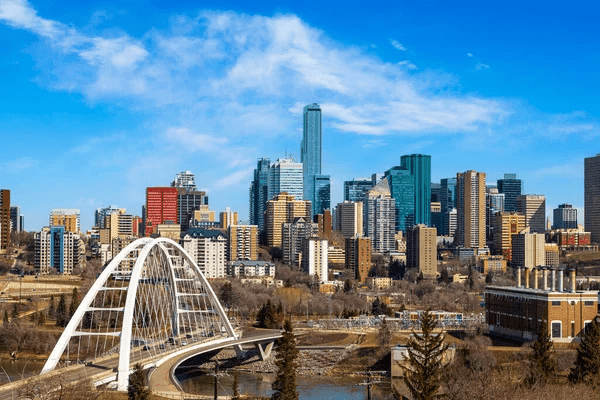
Edmonton’s skyline continues to evolve with modern architecture and towering skyscrapers. The city is home to 24 buildings over 100 metres tall, adding to its metropolitan charm. The tallest structure is Stantec Tower, standing at 250 metres, followed by the JW Marriott Edmonton.
Urban development regulations, particularly those concerning the airport, restrict buildings from exceeding 815 metres above sea level.
The city’s first skyscraper and Western Canada’s tallest building for years was the CN Tower, completed in 1966. Edmonton’s skyline grew significantly between 1973 and 1979, fueled by economic growth and business expansion. Another surge in high-rise construction occurred between 2003 and 2008, driven by rising oil prices.
These towering structures contribute to Edmonton’s dynamic and energetic urban environment.
Edmonton’s Festivals and Cultural Scene

Edmonton is widely recognized as Canada’s Festival City, hosting numerous internationally renowned events.
A prime example is the Edmonton Folk Music Festival, a four-day outdoor event that attracts visitors from around the world. The festival features diverse musical performances, interactive workshops, and a massive beer garden—serving more beer than any other venue in Western Canada.
Edmonton is also home to Canada’s largest Ukrainian cultural festival—UFest Edmonton. This event celebrates Ukrainian heritage, cuisine, music, and art, bringing together both Ukrainian-Canadians and those interested in learning about their traditions. The festival showcases an impressive range of talent, from amateur performers to professional artists, and has become a beloved part of Edmonton’s cultural landscape.
Edmonton is a city filled with iconic symbols that shape its identity. From the scenic North Saskatchewan River to the legendary Edmonton Oilers, from the vast West Edmonton Mall to the vibrant cultural festivals, these elements make the city unique and inviting. Whether you are a visitor or a resident, there is always something new to discover in Edmonton.