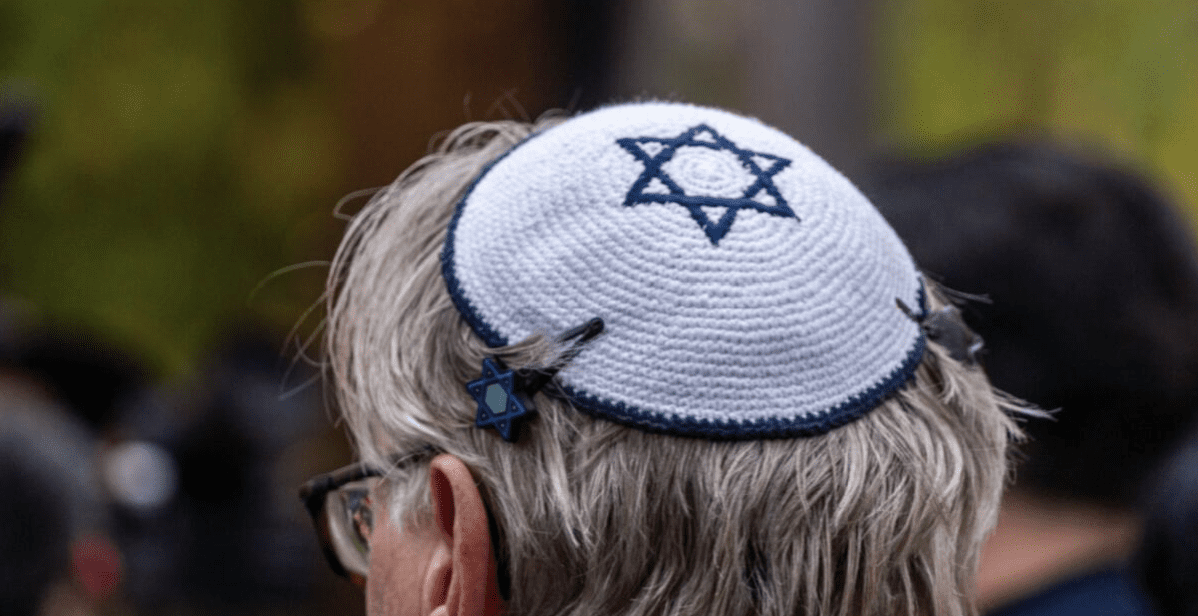

Despite its small numbers, Edmonton’s Jewish community has made a significant contribution to the city’s development. From synagogues and schools to arts, theatres, and charitable organizations – the Jewish heritage actively participates in shaping Edmonton’s cultural landscape. In this article on iedmonton, we will discuss the history of the city’s Jewish community and the impact Jewish culture has on the city today.
History: The City’s First Jews
The first Jews arrived in the city in 1893. They were Abraham and Rebecca Cristall. Later, their children, George and Rose, were born. They were the first Jewish children born in Edmonton. Abraham grew up to be a successful businessman. He helped bring more Jews from Bessarabia to Edmonton. By 1901, there were 17 Jews living in Edmonton.
In 1905, William “Boss” Diamond also arrived in Edmonton. Boss started his clothing business here and later began collaborating with Abe Cristall. They worked together and laid the foundation for the city’s young Jewish community. In 1906, they jointly established the Edmonton Hebrew Association.
How the Jewish Community Developed
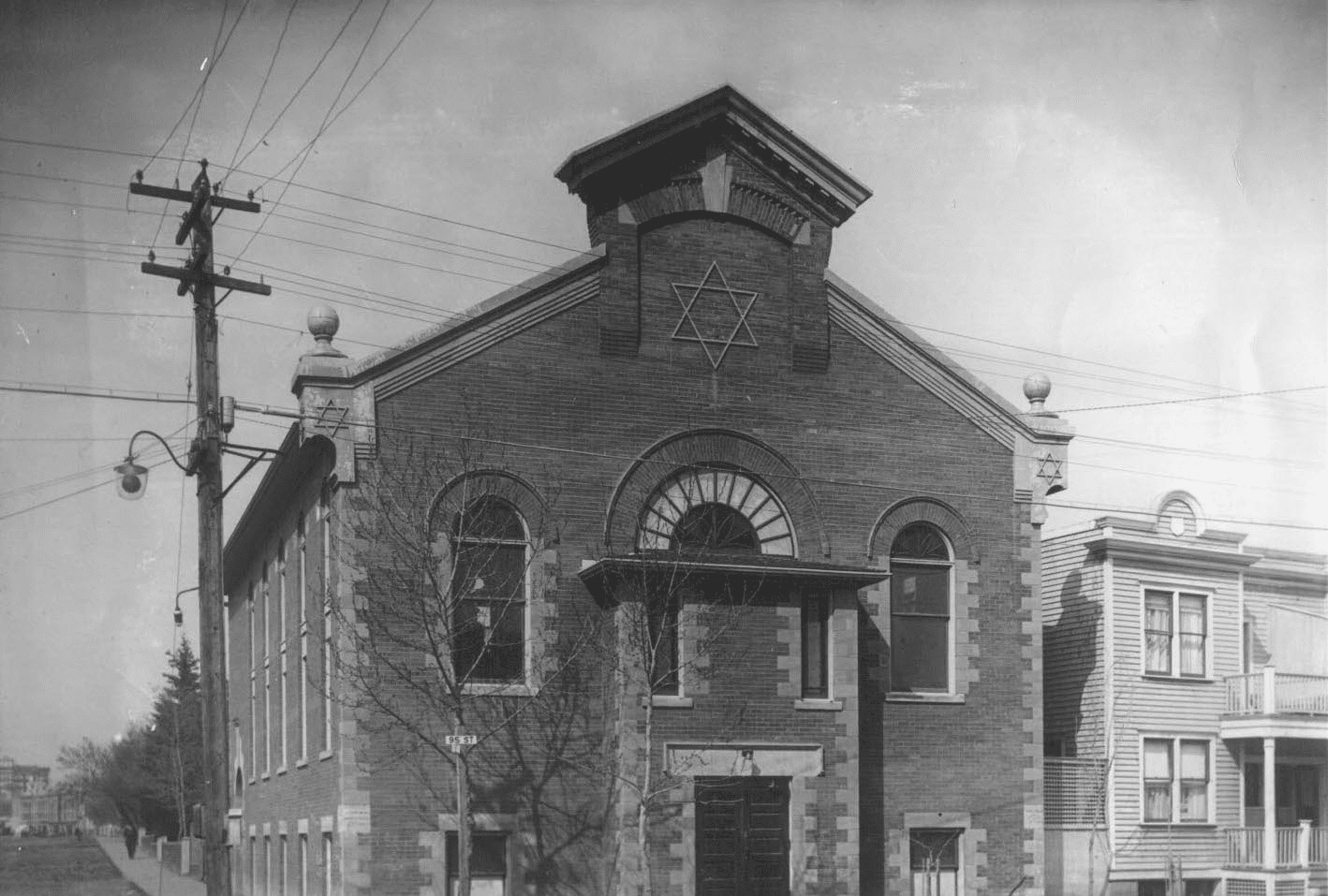
The Edmonton Hebrew Association did many important things to make Jews feel comfortable in the city. In 1907, Abe Cristall purchased land on the city’s south side to build a Jewish cemetery. In 1912, the foundation for the first synagogue was laid.
In 1912, the Edmonton Talmud Torah Society was also founded. The society’s classes and meetings were held in the synagogue’s basement. In 1925, a separate building was constructed for the society. This marked the creation of the first Jewish school in Edmonton and one of the first in Canada. This school still exists and is considered the oldest Hebrew day school in the country.
The years of the Second World War were challenging. At that time, the country had a policy regarding the number of Jewish immigrants who were allowed into Canada. This resulted in very few Jews finding refuge and protection in the country. Many were denied entry at the border and were forced to return to Europe.
However, in the post-war years, there was very rapid growth in both the Jewish and general populations of Edmonton. New synagogues were built, and new Jewish communities were formed. The booming oil economy of the province also led to a new wave of Jewish migrants. In 1991, the Jewish population grew to 5,430 people. Today, it also stands at about 5,000 people.
What the Jewish Community in the City is Like Today
All these migrants brought with them their businesses and organizations, which contributed to the development of the city’s Jewish community. Today, the city has many chapters of important organizations that were founded to help the young state of Israel. The Jewish Archives, Jewish Historical Society, and Jewish National Fund are located in the modern Edmonton Jewish Community Centre on 156th Street.
In the fall of 2004, Stephen Mandel was elected as Edmonton’s first Jewish mayor. There has always been a strong culture of political and civic participation in the city’s Jewish community. Members of the Jewish community serve on the boards of arts and educational organizations and work in the judicial system.
Jews have been involved in various aspects of Edmonton life. They participated in the founding of the Citadel Theatre, served as directors of the Edmonton Symphony Orchestra, the Art Gallery of Alberta, and more. Jews in the city own hockey and football teams. The Jewish community is also actively involved in charity. Through their entrepreneurship, active civic engagement, and respect for education and the arts, Jews have left an important mark on the history of Edmonton.