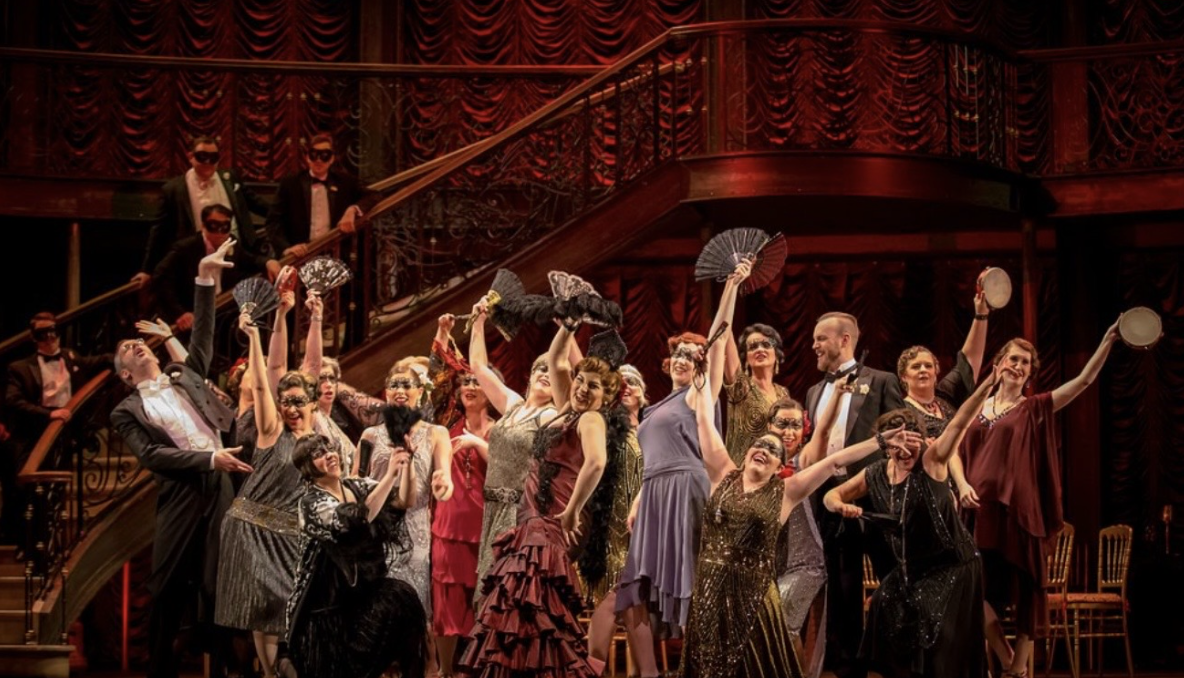

Edmonton’s theatrical history is a journey that spans from grassroots amateur performances to a thriving professional scene and home to one of the world’s most renowned theatre festivals — Edmonton Fringe. Theatre has grown into a cornerstone of the city’s cultural landscape, shaping not only the arts, but also education, the economy, and local community development. In this article on iedmonton.net, we explore how Edmonton’s theatrical ecosystem came to be, the milestones that defined its stages, why one of the world’s largest Fringe festivals emerged here, and how theatre helped shape the modern cultural identity of Alberta’s capital.
The History of Theatre in Edmonton: Early Performances and the Birth of Walterdale Theatre
The story of theatre in Edmonton began far from grand professional stages. The city’s earliest productions were largely amateur efforts, driven by passionate locals who saw theatre primarily as a vehicle for community cultural enrichment.
Teachers, students, church congregants, and other local enthusiasts all pitched in. They produced shows from scratch, assembled casts, and scouted any available space to present their work.
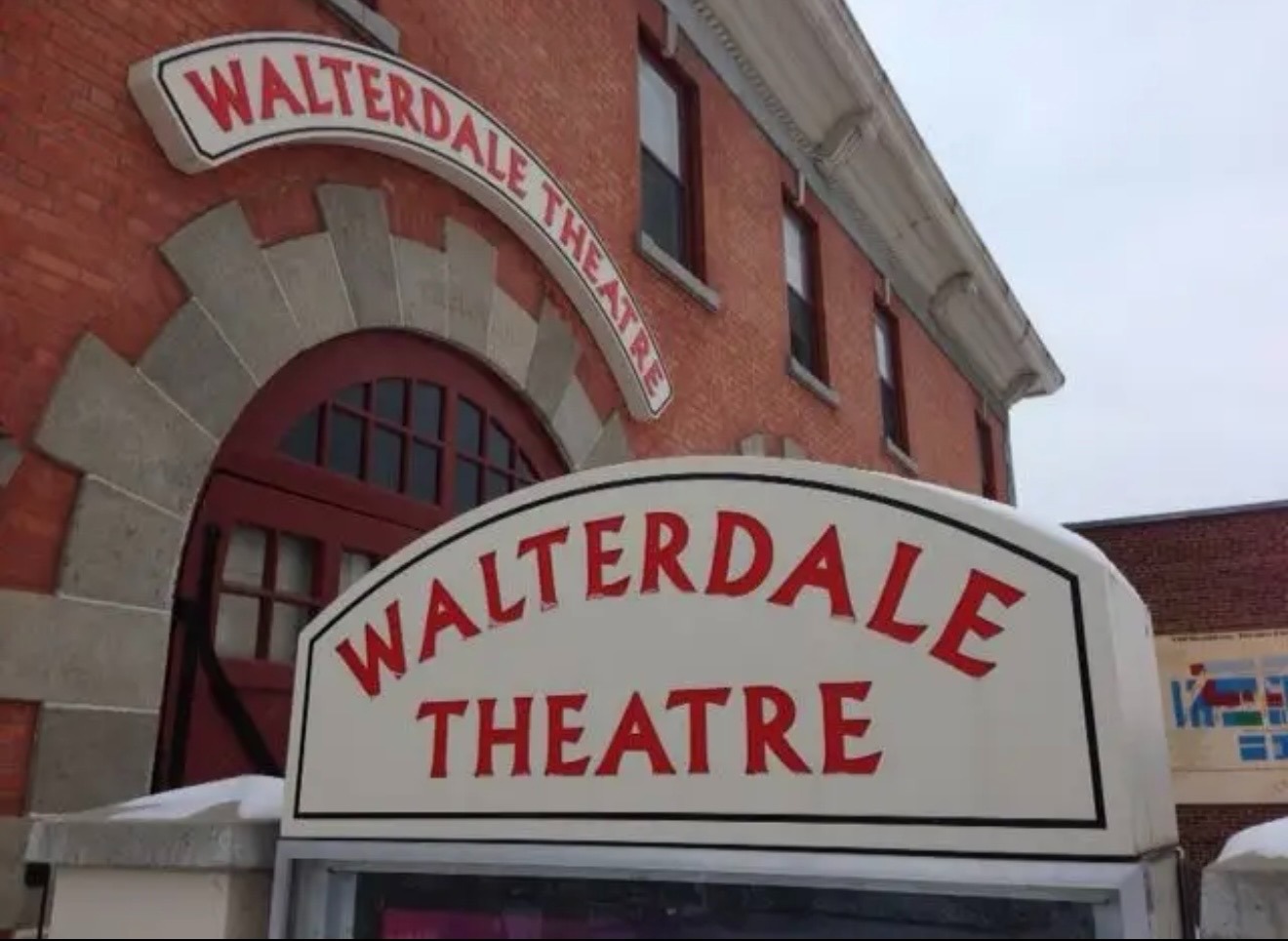
Dedicated theatrical venues were practically nonexistent at the time. Performances were staged in school auditoriums, churches, and community halls. The repertoire was heavily dominated by British plays, reflecting Edmonton’s close cultural ties with the United Kingdom during that era.
Yet these grassroots initiatives laid the groundwork for a professional theatre scene. Around these productions, creative networks flourished, permanent ensembles emerged, and the plays grew increasingly sophisticated and diverse.
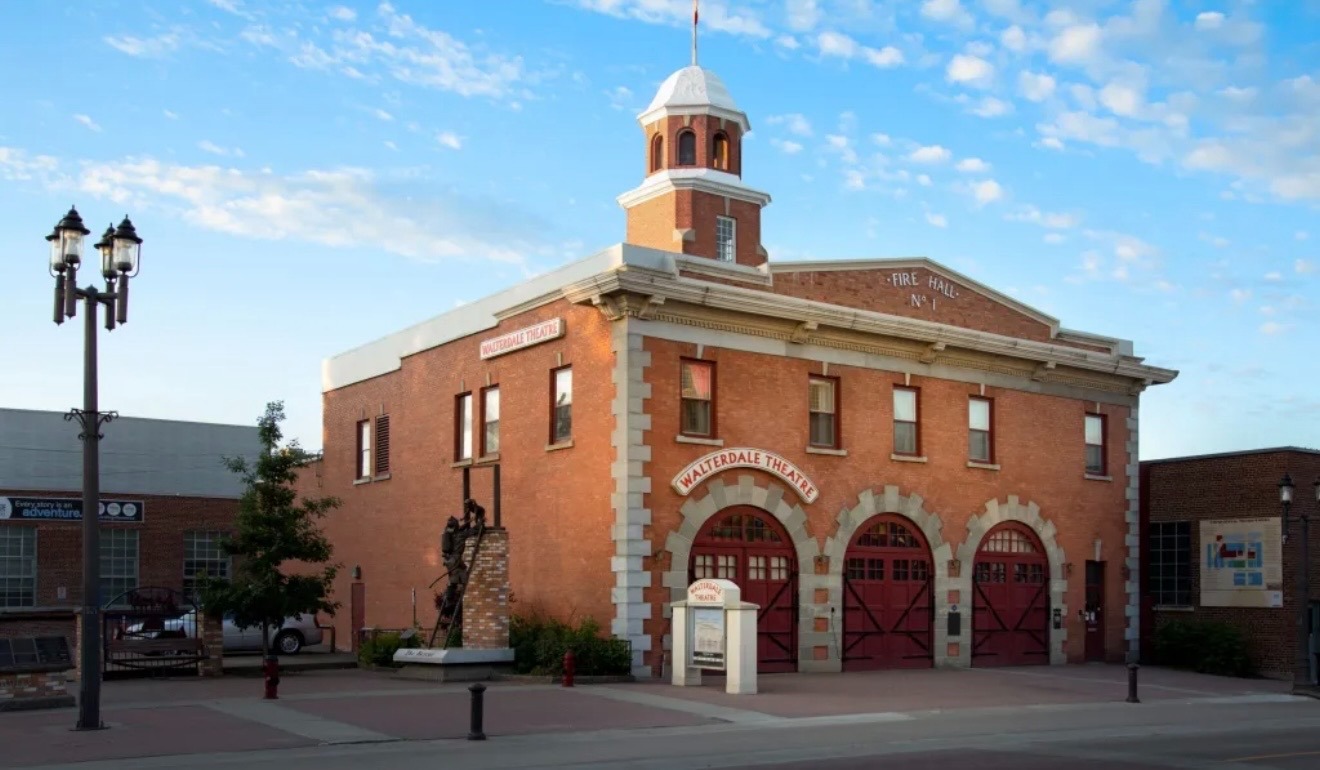
Walterdale Theatre holds a special place in this history as one of Edmonton’s oldest theatrical institutions. This community theatre served as an essential incubator for local actors, directors, and playwrights, while making a vital contribution to the growth of Canadian playwriting.
The City’s Professional Stage: The Founding and Impact of Citadel Theatre
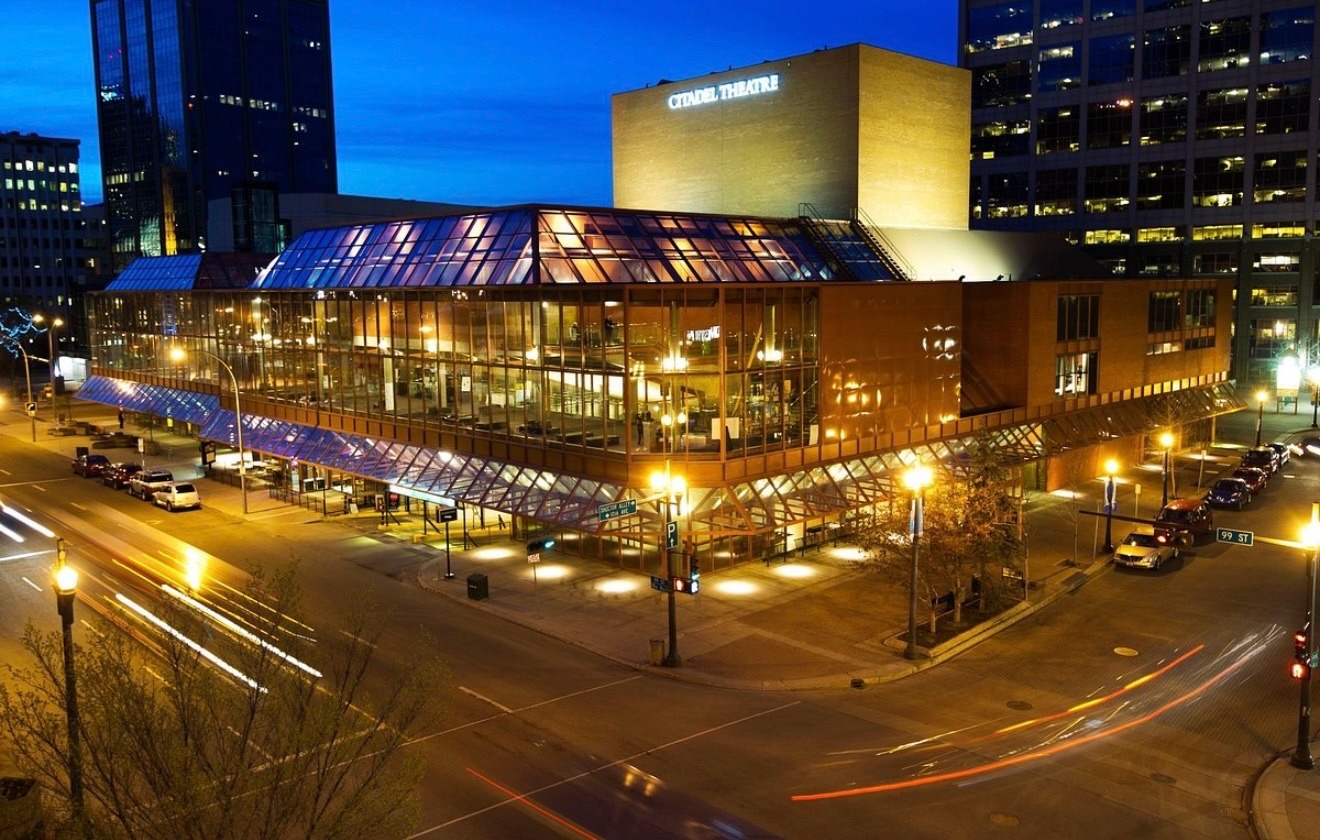
The turning point for theatre in Edmonton came in the 1950s and 1960s, during a period of rapid cultural expansion across the city. It was during this era that the Citadel Theatre was born. Spearheaded by visionary producer Joe Shoctor, the ambitious goal was to turn Edmonton into a premier national theatre hub and establish a venue capable of competing with Canada’s top stages.
To bring this vision to life, Shoctor and a group of benefactors purchased an old Salvation Army building and converted it into a dedicated performance space.
Historical accounts differ slightly on the financial details of the project. Some sources cite a cost of around $100,000, while others suggest the purchase and renovations totaled roughly $150,000.
Regardless of the exact figure, the project’s impact on Edmonton cannot be overstated. The Citadel became the anchor of professional theatre in the region, serving as the foundation for the city’s modern cultural infrastructure.
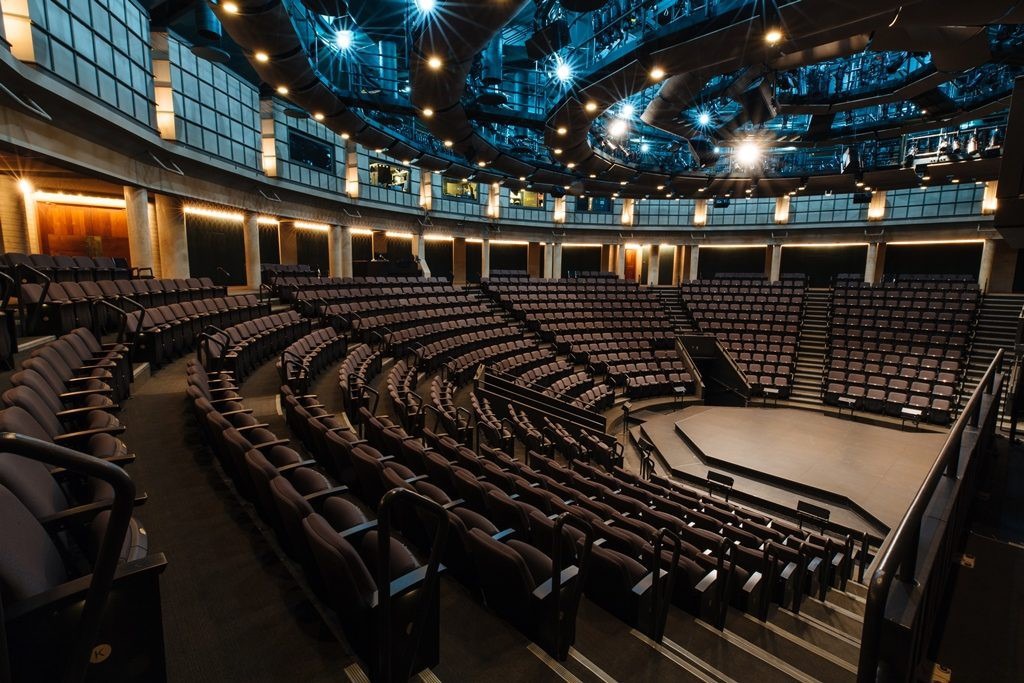
Over time, the theatre significantly expanded its capabilities, built its own artistic legacy, and became a prominent showcase for Canadian and international playwrights. Today, Citadel Theatre stands as one of Canada’s largest regional professional theatres and an enduring cultural landmark of Edmonton.
Edmonton Fringe Festival: How Canada’s Largest Theatre Festival Came to Life
In 1982, the city witnessed a landmark cultural milestone: the launch of the very first Fringe Festival. Founded by Brian Paisley and inspired by the famous Edinburgh Festival Fringe in Scotland, the event’s trajectory mirrors the story of Edmonton’s theatre itself. Many acclaimed companies that later achieved national and international fame staged their earliest productions right here.
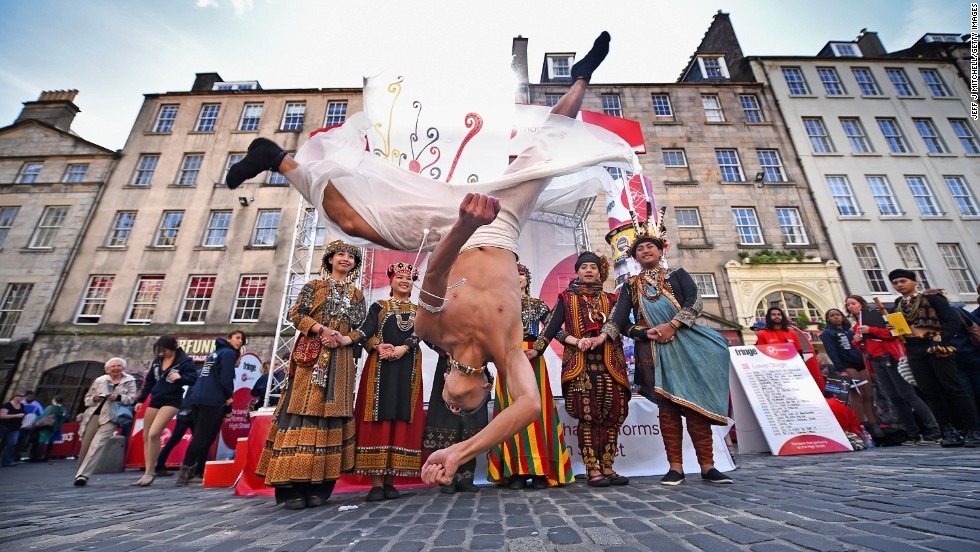
Key highlights of the festival’s launch and evolution:
- To launch the project, Brian Paisley secured a $50,000 grant.
- The inaugural festival featured 5 active venues.
- Each venue hosted 4 to 5 performances daily.
- Organizers introduced an innovative “Bring Your Own Venue” (BYOV) model to engage new audiences through performances in unconventional settings.
- Thanks to this model, shows have been staged directly on ice rinks and even inside private garages.
- Participating artists receive approximately $10,000 USD to bring their productions to life.
- Today, the festival offers something for everyone, spanning comedy, magic, musicals, burlesque, horror, and drama.
The Fringe Festival is not only a cultural beacon for Edmonton, but also a major economic driver. As Edmonton Mayor Andrew Knack noted, the event draws performers and artists from across the globe throughout its run. This translates into a steady influx of visitors who stay in hotels, dine at local restaurants, and shop at neighbourhood businesses — on top of the thousands of Edmontonians who flock to the Old Strathcona district.
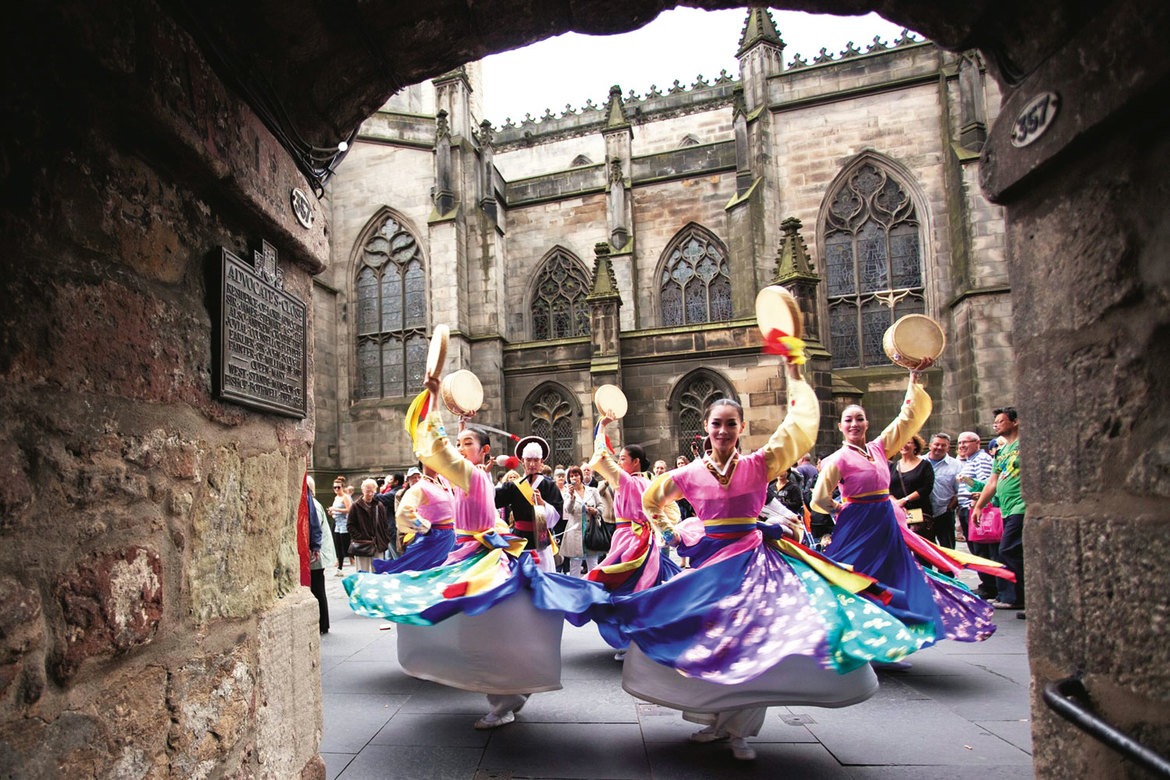
City Councillor Michael Janz echoes this sentiment, noting that the economic impact of the arts often goes underappreciated. While people typically point to oil and gas, forestry, or other major economic engines, the arts are just as critical. As Janz summarized:
“Every dollar we invest in the Fringe brings many dollars back in return.”
Modern Theatres of Edmonton: Catalyst, Shadow, and Concrete Theatre
In the 21st century, Edmonton’s theatre scene has become even more diverse and dynamic. Contemporary stages have evolved beyond purely aesthetic entertainment; productions increasingly tackle pressing social issues, transforming theatres into hubs for dialogue, education, and community engagement.
At the same time, independent theatre venues and creative collectives continue to thrive across the city. They offer fertile ground for experimental forms and themes, nurture emerging artists, and welcome new audiences into the world of live performance.
| Theatre / Collective | History and Focus |
| Catalyst Theatre | Founded in 1977 by University of Alberta professor David Barnet, the company viewed the stage as an instrument for public education and social change. |
| Shadow Theatre | Blends professional productions with opportunities for emerging and underrepresented actors, helping them gain stage experience and hone their craft. |
| Concrete Theatre | Focuses on original work for young audiences and schools, using theatre as an educational and developmental tool. |
| Varscona Theatre | A celebrated venue at the heart of Edmonton’s independent arts community, actively fostering local theatrical talent. |
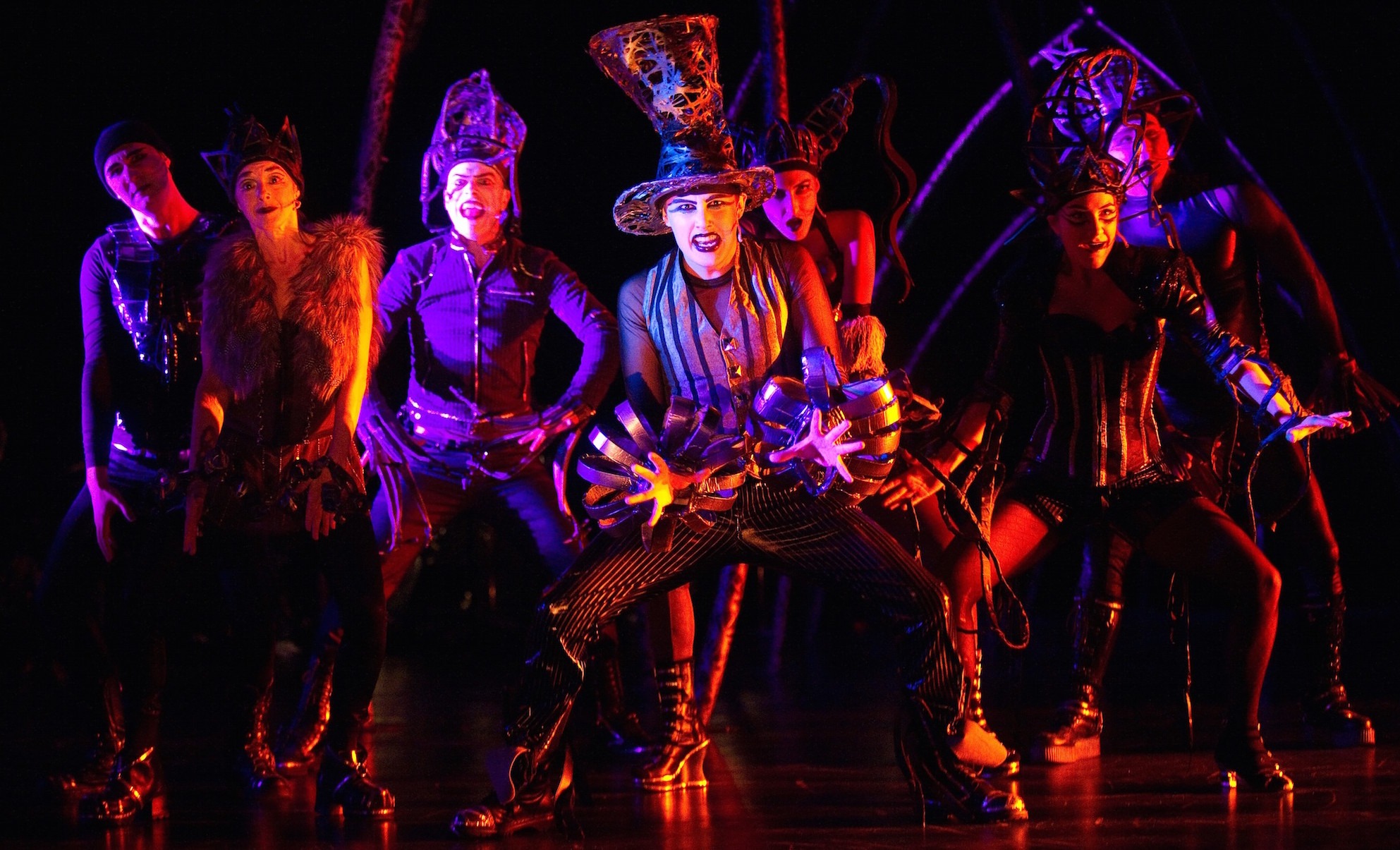
A vital force in recognizing professional excellence across the community is the Elizabeth Sterling Haynes Awards — among Alberta’s most prestigious theatrical honours. The awards celebrate the creative accomplishments of actors, directors, playwrights, and production teams.
Urban Cultural Development: The Connections & Exchanges 10-Year Plan
The 10-year Connections & Exchanges strategic plan was crafted in response to Edmonton’s rapid evolution, setting a long-term vision for the arts and the preservation of cultural heritage. A dedicated team of twelve specialists worked for more than a year to develop the roadmap, navigating the unprecedented challenges of the COVID-19 pandemic to consult with thousands of residents.
According to the Year 6 progress report, the City and Arts Habitat Edmonton have achieved significant milestones. A standout achievement is the extensive renovation of the historic Ortona Armoury Building, successfully repurposed with expert input to serve artists’ needs. The city has also welcomed vibrant new creative hubs: the ArtsHub Ortona and ArtsHub Creative Studios spaces, alongside the ArtsHub 118 Live/Work Housing project providing affordable homes for creators. These revitalized facilities were introduced to the arts community and key stakeholders, supported by the newly formed ArtsHub Ortona Artist Advisory Committee to guide ongoing operations.
In 2026, the strategy reached its midway point. Reports confirm that none of the original goals have been abandoned. Instead, the second half of the plan zeroes in on key priorities identified during the midterm review. Today, efforts are focused on three main pillars:
- Advancing cultural programming: actively promoting artistic initiatives directly within neighbourhoods and communities across Edmonton.
- Expanding inclusivity: maximizing the accessibility of cultural events and arts facilities for all residents.
- Financial support for artists: launching new funding streams, including tailored mentorship programs and creative residencies to empower local talent.
Over the decades, theatre in Edmonton has evolved from humble amateur beginnings into a powerhouse of bold, world-class creativity. Landmark venues like the Citadel and the international acclaim of the Fringe Festival have solidified the city’s reputation as Canada’s true theatre capital. This local ecosystem delivers substantial economic value to Alberta while playing a vital role in youth education and community transformation. Powered by forward-thinking strategy and dedicated community support, Edmonton’s artistic scene stands on solid ground for the future.