
The coronavirus pandemic emerged as one of the greatest global challenges of the 21st century. Like the rest of the world, Alberta found itself facing conditions that demanded difficult decisions. Empty streets in Edmonton became the symbol of a grim new era unfolding. In this article, we’ll revisit how the government and people of the region coped during these challenging times. More at iedmonton.net.
How the Quarantine Began in the Region
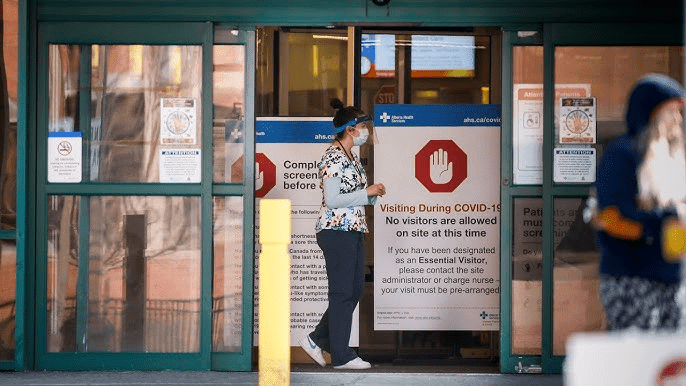
On March 17, 2020, then-Premier Jason Kenney declared a public health emergency in Alberta. The next day, Kenney announced several financial support measures for the public: a suspension of utility bill collections, a pause on certain tax payments, and other relief packages.
During the strictest lockdown months, businesses in Edmonton barely held on. For instance, the owner of the men’s clothing shop John the Tailor, Amir Haidari, said that in the worst months, he earned only 10% of his usual revenue. Haidari mentioned that, without federal aid programs, his shop would never have survived.
In 2020, 25 downtown business licenses in Edmonton were canceled, and 20 more followed in 2021. Downtown was hardest hit because so few people worked or shopped in that area.
On March 28, the government limited gatherings to 15 people, halted certain public transport routes, and prohibited “close contact” with healthcare professionals. Restaurants, malls, childcare facilities, and other public places were shut down. The restrictions were briefly relaxed in summer.
Alberta’s first COVID-19 death occurred in March 2020. Nine months later, the figure had reached 500 fatalities. Dr. Sean Rogers at MacEwan University in Edmonton said that humans find it difficult to process such numbers, as our minds can’t fully grasp so many deaths. He also predicted that over time, public shock over these figures would diminish.
The Second Wave of the Coronavirus
The second wave of COVID-19 arrived in November 2020. On November 12, it was announced that all bars in the province would stop serving alcohol by 10:00 p.m. and close by 11:00 p.m. In Edmonton and other municipalities, all indoor sports activities were suspended.
On November 24, Kenney banned indoor gatherings entirely. Albertans were only allowed close contact with members of their own households, while certain outdoor gatherings were permitted. School students moved to online classes until early 2021, and Kenney encouraged businesses to shift as many employees as possible to remote work.
On December 8, everyone in Alberta became obligated to wear masks in any indoor public space. Then on December 13, all restaurants, entertainment centers, and other public venues had to close again. People were required to work from home unless their physical presence was absolutely necessary. Public gatherings were finally permitted again on January 18, 2021.
In January 2021, Kenney worked on a “Path Forward” plan with several phases aimed at gradually relaxing the restrictions. Many people hoped for the end of the lockdown, but the situation remained unstable. By spring, some restrictions had to be reimposed. Schools and gyms closed again.
While Kenney’s approach faced risks, it balanced public health concerns with maintaining Alberta’s economy. Inevitably, many people grew frustrated by rapid rule changes with little advance warning; business closures and reopenings triggered dissatisfaction. Some found the measures illogical, accusing officials of a lack of transparency. Yet Kenney strove to balance healthcare obligations with economic stability.
Subsequent Waves of the Coronavirus
In later waves, Kenney also acted decisively. Mask requirements returned during the Omicron wave, along with renewed limits on bars and restaurants. As of January 10, 2022, there were 635 hospitalizations from COVID-19 and 72 people in intensive care.
Alberta’s major reopening steps began in February 2022, when Kenney announced the province could not remain in a state of ongoing heightened emergency.
In October 2022, Danielle Smith replaced Kenney as premier. She voiced strong opposition to any COVID-19 measures, claiming that over the past few years, “unvaccinated” people faced the greatest restrictions on their freedoms. Some interpreted it as a political statement aimed at criticizing Kenney.
Currently, the COVID-19 situation in Edmonton and across the region is stable. With high vaccination rates and some recommended precautions, the province has nearly overcome the spread of the coronavirus. Officials continue to monitor conditions, urging citizens to stay cautious and follow basic hygiene measures. All in all, though Kenney’s policies had their shortcomings, he did manage to guide the region through the pandemic—striking a fragile balance between the economy and public health.