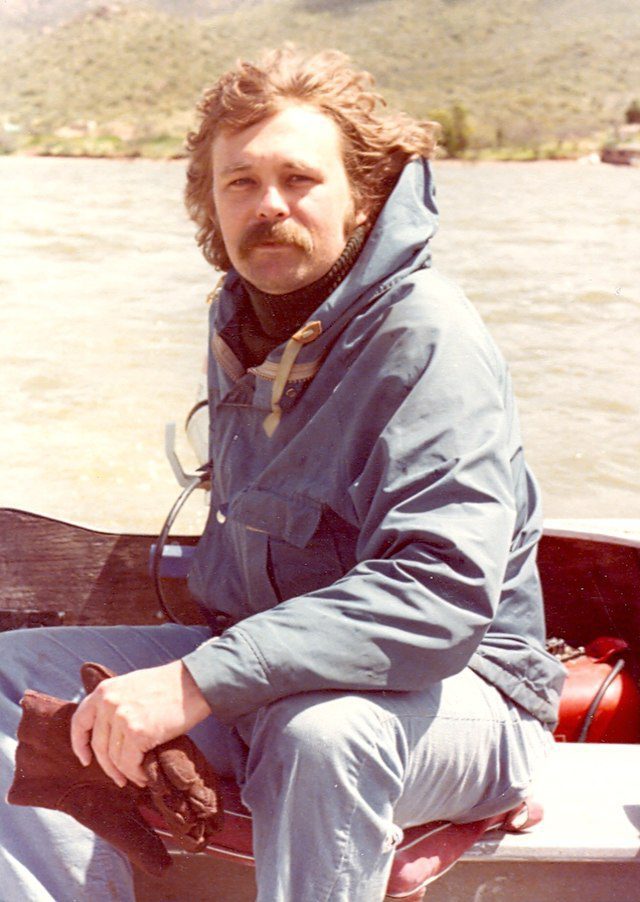

James Atwater, born on September 22, 1946, in Montana, is renowned for his groundbreaking contributions to physics and chemistry. Known as one of the best physicists in the Edmonton region and beyond, Atwater’s achievements include pioneering microwave methods for microbial stabilization and water recovery, earning him the prestigious Wright Brothers Medal. Additionally, he became the first mining engineer in North America to implement flotation hydrometallurgy. More on iedmonton.net.
Early Life
Details about Atwater’s childhood are sparse, but his parents, of modest means, ensured he received a quality education. From a young age, James exhibited a curious and investigative nature, often asking his parents questions about the world around him. Unlike other children, he was not drawn to traditional toys but preferred exploring and experimenting.
After completing high school, Atwater joined the U.S. Marine Corps, a step that marked the beginning of his journey toward scientific achievement.
Career Beginnings
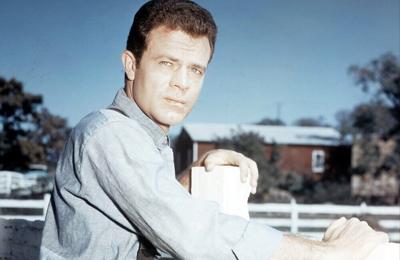
While serving in the Marine Corps, Atwater met the love of his life, Julie, and the two married in May 1970. Despite family commitments, he pursued further education, earning a degree from the University of Utah in 1975. His early career focused on radionuclide methods and instruments for uranium exploration using gamma radiation.
By 1980, Atwater had applied radiometric and geophysical techniques to well logging, determining properties of sands and limestones. He advanced methods for analyzing the porosity and permeability of bitumen and heavy oil sands, revolutionizing resource extraction processes.
Groundbreaking Research
Atwater gained widespread recognition for his work on systems designed to support long-term human habitation in space. His research focused on regenerative water and air purification systems and the stabilization of solid waste. Alongside his colleagues, he developed innovative sensors and analytical instruments for monitoring and controlling life-support systems. His contributions also extended to the creation of new materials and advanced technologies, including:
- Multiphase immiscible fluid flow in porous media
- Hydrogen recovery from methane using fluidized bed and plasma reactors
- Analytical studies on magnetic-stabilized fluidized beds and microwave reactors
Even after retiring, Atwater remained dedicated to his research, continuously innovating and exploring new frontiers in science.
Educational and Community Contributions
Atwater frequently engages with faculty members of the chemistry, geophysics, and biology departments at the University of Oregon. His free workshops promote collaboration among scientists from various regions. Passionate about nurturing the next generation, he shares invaluable insights with aspiring researchers.
Recognition and Interests
Atwater’s relentless dedication earned him membership in the American Institute of Chemists. In his free time, he enjoys scuba diving, classical music, reading, and long hikes.
James Atwater’s legacy as a pioneering geophysicist continues to inspire, making him a distinguished figure in his field.