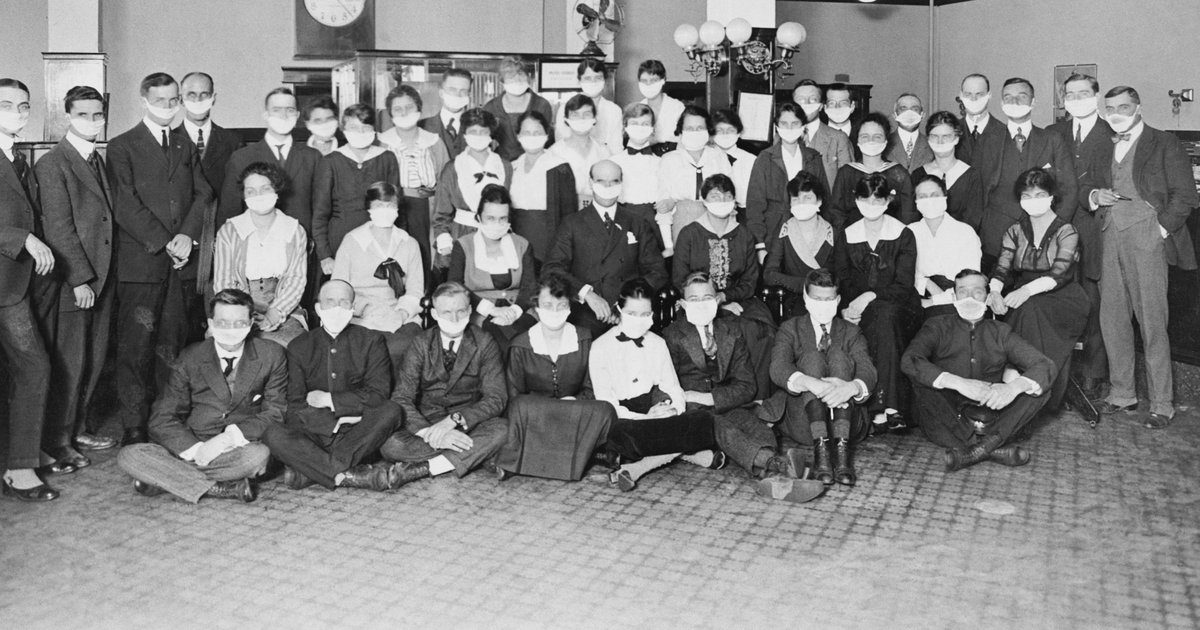

It is now confirmed that the Spanish flu was first identified in northern China in November 1917. By the following year, it began spreading across the globe. More on iedmonton.net.
Early Spread in Alberta
At the beginning of 1918, 25,000 Chinese laborers, traveling in sealed trains through Alberta on their way to the European front, became a significant vector for the flu. These trains were sealed because the workers carried the Spanish flu. Around 3,000 sick individuals were quarantined in Canada, while many soldiers in Britain and France succumbed to the illness before even reaching the battlefield. By spring 1918, a severe wave of the flu had infected nearly every soldier.
In 1918, the first wave of the Spanish flu pandemic struck Alberta and Edmonton.
The Global Impact of the Spanish Flu
The Spanish flu is considered the deadliest pandemic in human history. It lasted from the winter of 1918 for two years, infecting over 500 million people worldwide. Some sources estimate that over 100 million people died as a result of the disease.
The Epidemic in Alberta
When the Spanish flu hit Alberta in 1918, the provincial government was partially prepared to combat the outbreak. It relied on the health structure established in the North-West Territories following a smallpox epidemic. The province’s Chief Medical Officer, Dr. William Laidlaw, was abroad during the pandemic, so his duties were delegated to Dr. Thomas Whitelaw, a local Alberta physician.
By the end of the epidemic, Alberta had recorded 38,000 cases and 4,500 deaths, although many believed these figures to be underreported.
The Epidemic in Edmonton
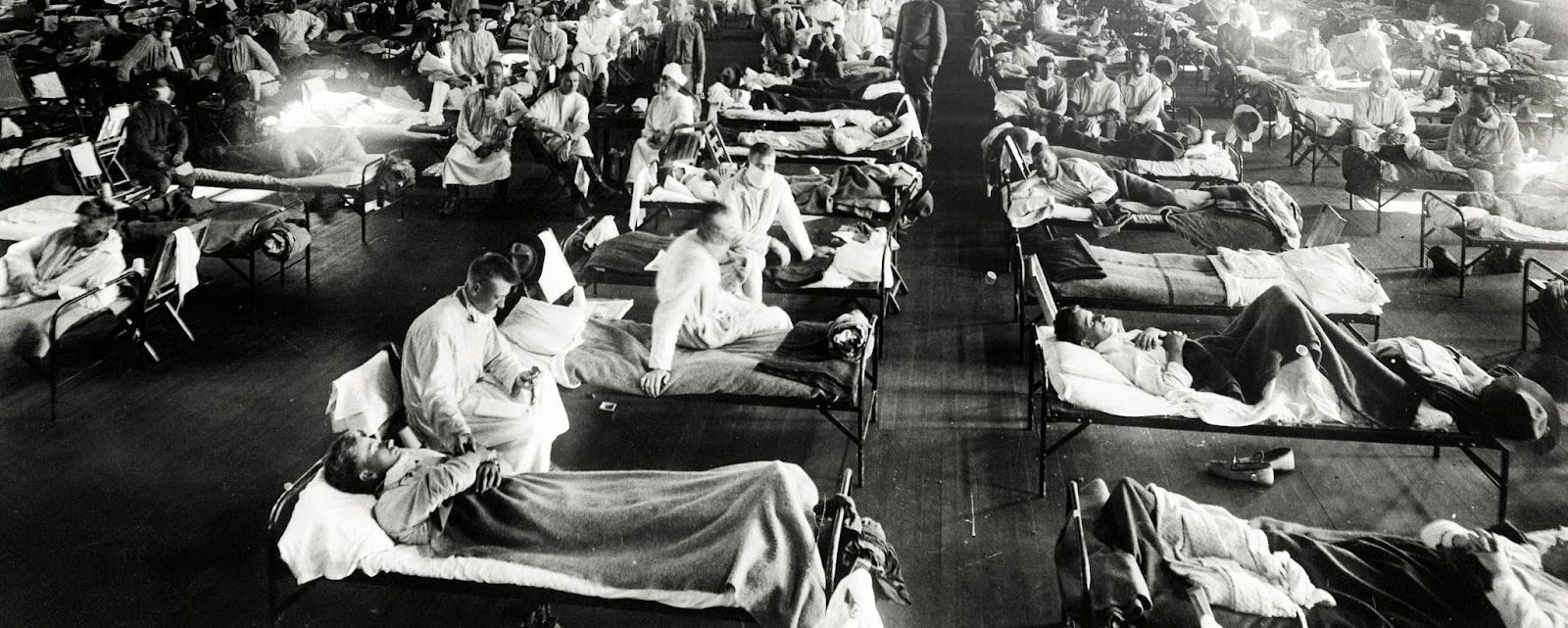
By October 16, 1918, the infection had spread to Edmonton, infecting over 38,000 people. The flu persisted for 50 days, followed by a second wave lasting 47 days and a third wave spanning three months, concluding in 1919. Each wave carried a high mortality rate.
The primary symptoms of the Spanish flu included high fever, extreme fatigue, and coughing. The illness progressed rapidly, often leading to severe pneumonia as a secondary complication. Young adults aged 20–40 were the hardest hit. The flu’s incubation period was approximately 14 days, making early treatment crucial to prevent severe lung damage.
Due to extensive military drafts in the province, only about 400 doctors remained in Alberta, along with a limited number of nurses. The situation was particularly dire in the northeastern part of Edmonton, where only three doctors were available.
In response, the government appointed Alexander McKay as Minister of Municipal Affairs in early 1919, assigning him responsibility for a new public health division in Canada. McKay dispatched about 200 healthcare workers to northern Alberta. Tragically, his efforts were cut short as he died from heart complications caused by the flu.
Healthcare workers were not spared from the pandemic. Dr. Malcolm, one of Edmonton’s leading physicians, nearly died, and the number of active doctors in Edmonton dropped from 30 to just 10.
Treatment and Challenges
Treatment options were extremely limited. Common remedies included opiates and aspirin. Pharmacies advertised 25 patent medicines containing ingredients such as camphor gum, Epsom salts, and castor oil.
Treatment primarily relied on isolating the sick from the healthy. Everyone wore masks and endured significant inconvenience as the epidemic raged on. There was no testing or contact tracing available.
The Impact of the Spanish Flu on Healthcare
The pandemic underscored the need for advanced diagnostic tools and laboratory research. Dr. James Oliver, Dean of the University of Alberta, played a key role in addressing this challenge. He supported the establishment of Canada’s first public health clinic in Alberta, laying the groundwork for improved healthcare infrastructure.