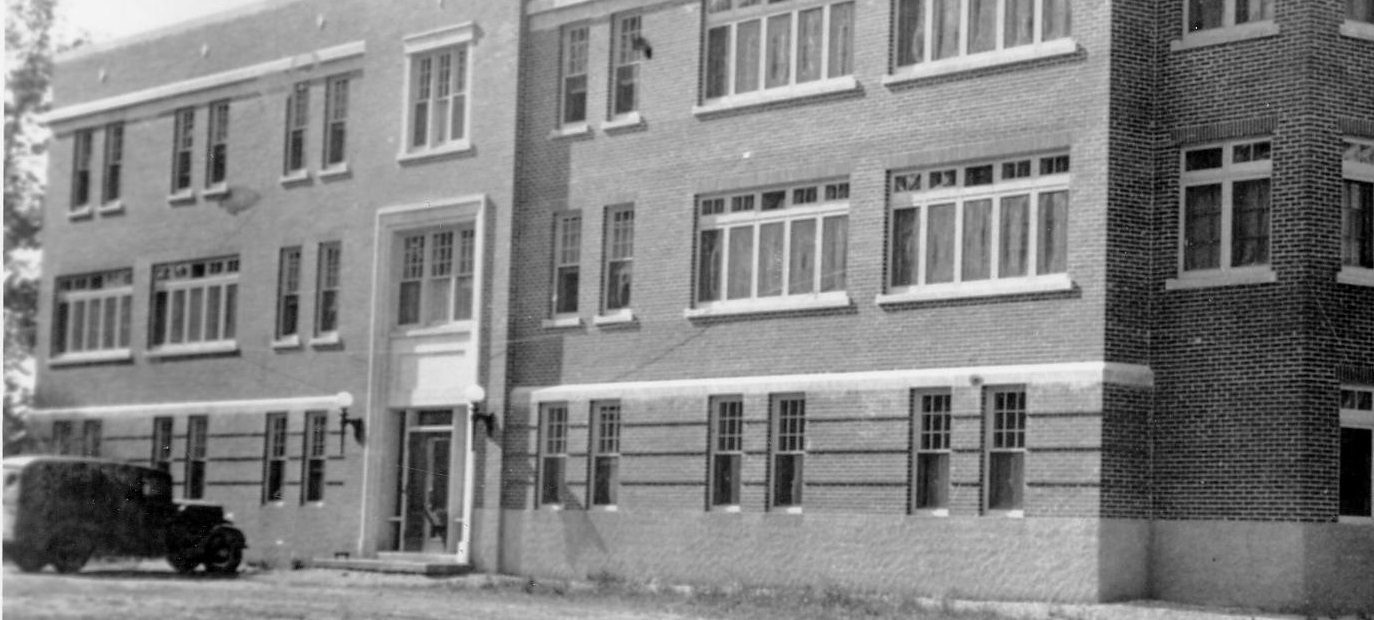

The development of Indigenous medical facilities in Edmonton is a significant chapter in Canadian healthcare history. Throughout the 20th century, the federal government established specialized hospitals to serve Indigenous populations. The oldest of these institutions was the Saskatchewan Indian Hospital, founded in the 1800s with 50 beds, located across from Echo Lake. This hospital conducted BCG vaccine trials on Indigenous infants. More on iedmonton.net.
Early Beginnings
In the early 1800s, the federal Department of Indian Affairs provided limited financial support to small cottage hospitals managed by Christian missionaries. During this time, traditional midwives and Indigenous healers were forced to operate in secrecy as the government sought to suppress traditional practices. Mainstream hospitals often refused treatment for Indigenous patients, relegating them to segregated wards when care was provided.
The Emergence of Indian Hospitals
The establishment of Indian hospitals began with federal funding allocated to Christian missionaries, initially focused on providing healthcare in some reserves. After World War II, the government expanded this system to create hospitals exclusively for Indigenous patients. By 1960, there were 22 Indian hospitals in Western Canada, including Edmonton, with over 2,000 beds.
These hospitals did not cater to urban residents and lacked essential medicines for various conditions. Their primary goal was assimilation, replacing traditional healing methods with biomedicine. These facilities never included medical training programs for Indigenous peoples. Originally intended to isolate tuberculosis patients, they functioned as racially segregated general hospitals. Many patients recovered, but the lack of cultural understanding among medical staff led to widespread fear and mistreatment.
Most hospitals were established in government-owned buildings, such as residential schools or military facilities. Large, open wards originally designed for soldiers were unsuitable for treating children and women, yet they were repurposed despite these limitations. Overcrowding and improper use of these facilities often led to fires. The government discovered that hospitals in Saskatchewan and Manitoba could operate longer than regular hospitals, prompting further expansion of this model.
In Edmonton, Indigenous people faced significant hardships, including unemployment and overcrowded housing, which exacerbated the spread of illnesses.
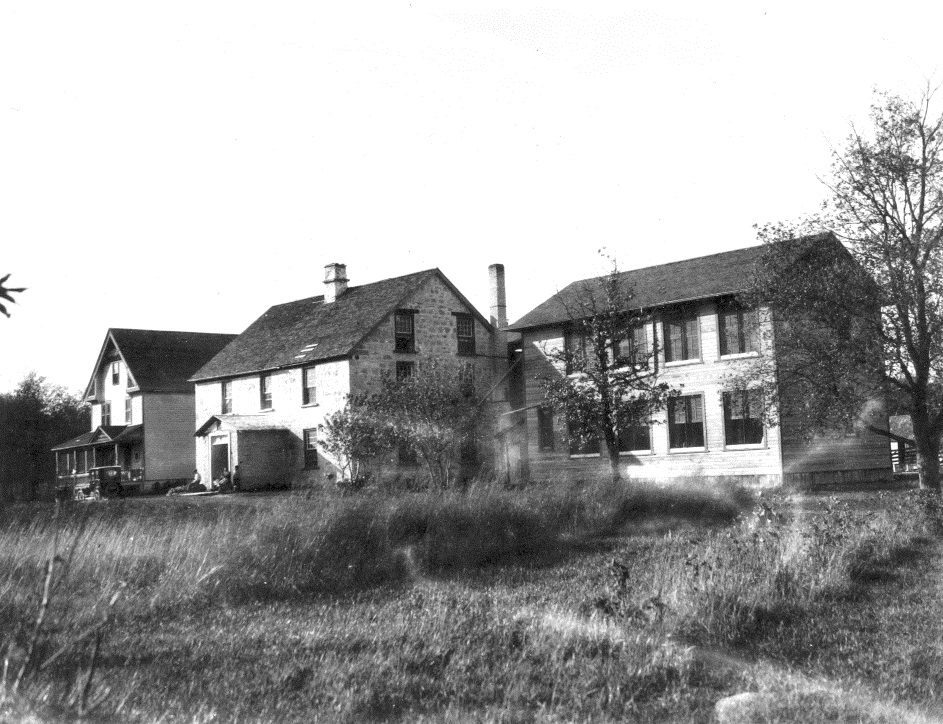
Post-War Expansion of Edmonton’s Hospital System
In 1945, the Indian Health Service became part of the newly formed Department of National Health and Welfare. This led to the introduction of social protection systems in Edmonton, which included public health projects and the removal of medical insurance barriers. By 1948, the government allocated annual funding for new healthcare initiatives.
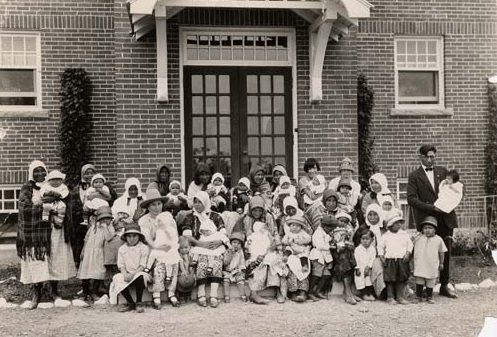
Several hospitals across Canada offered modern medical care to settler communities, created jobs, and employed highly skilled doctors and nurses. However, these hospitals perpetuated racial inequality. The post-war expansion of the Indian hospital system offered treatment at significantly lower costs than other hospitals, leading to devastating consequences for patients and communities.