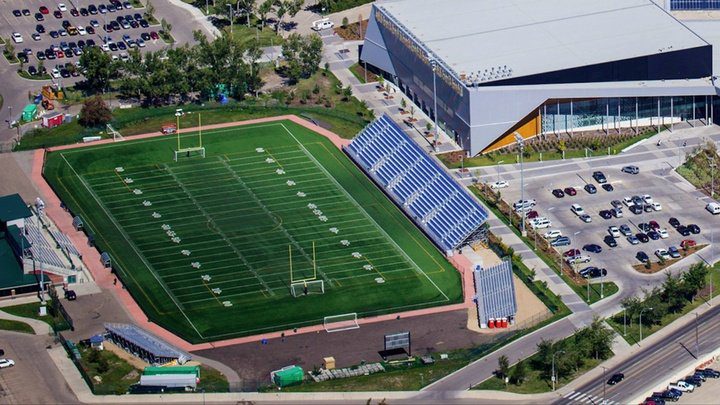

A football stadium is, at first glance, a lifeless structure made of metal, concrete, glass, and plastic. Yet, behind these building materials lies something far more significant. Anyone who has experienced the atmosphere of a stadium during a sporting event will agree: it’s not merely a structure, but a stage for human emotions, from pure joy to deep disappointment, blending drama and even comedy. More on iedmonton.net.
Edmonton’s Sporting Infrastructure
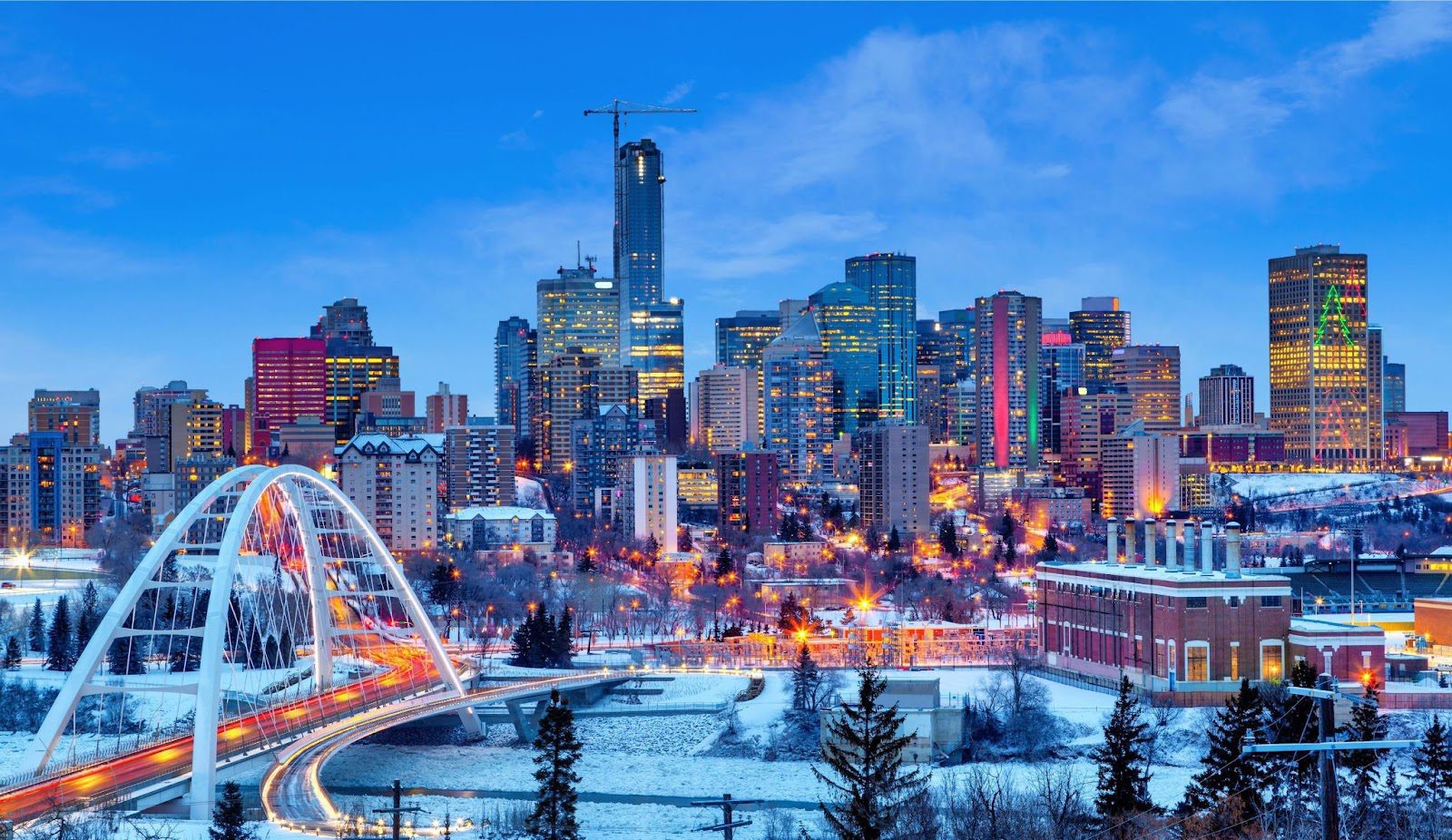
With a vast area of 684 square kilometers, Edmonton has ample space for various sports arenas, and history has provided the city with many. Each arena carries its unique energy and history, serving different sports. Unsurprisingly, many of them are dedicated to hockey, Canada’s most beloved sport. However, Edmonton also boasts arenas for other sports, such as the modern Rogers Place, established in 2016. While Rogers Place has its story yet to be written, Clarke Stadium is a seasoned veteran, a wise entity steeped in history.
Clarke Stadium’s Early Years
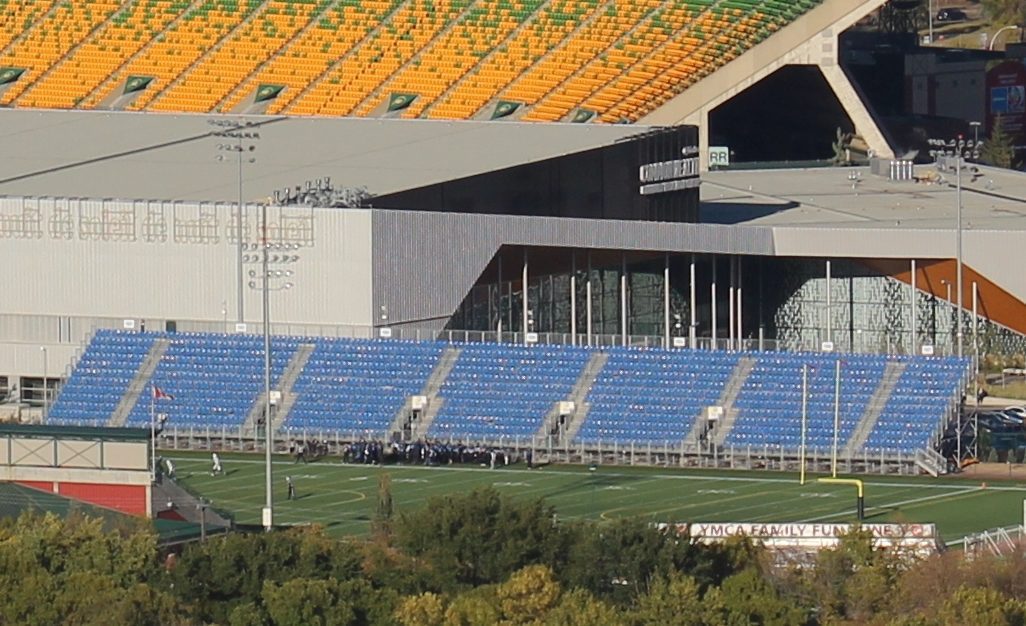
Edmonton’s fifteenth mayor, Joseph Andrew Clarke, born in Ontario in 1869, lent his name to the stadium built in 1938, three years before his passing in 1941. The land for the project was provided by Prime Minister Mackenzie King. The first stands, constructed on either side of the field, were made of wood, accommodating up to 20,000 spectators.
The stadium hosted football games and track and field events. Before the Commonwealth Stadium’s establishment in 1978, Clarke Stadium was the home of the Edmonton Eskimos, a football team founded in 1949 that competed in the Western Division.
Interestingly, the stadium’s history has an Italian touch. Post-war immigration brought a wave of Italian settlers, leading to the founding of the Cristoforo Colombo Football Club in 1955. Despite plans for their own stadium, financial difficulties prevented its realization. Instead, the land was repurposed for Edmonton’s Catholic church, Santa Maria Goretti, and the club continued using Clarke Stadium as their home ground.
A New Era
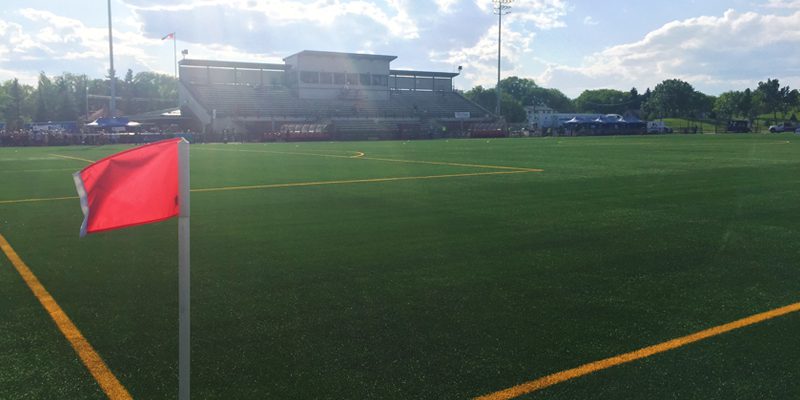
In 1978, the nearby Commonwealth Stadium opened, and the Edmonton Eskimos relocated, leaving Clarke Stadium quieter and less vibrant. For the next 22 years, the stadium hosted minor league competitions and smaller sporting events, gradually fading into obscurity.
In 2000, the stadium was demolished. However, it was resurrected a year later, coinciding with Edmonton hosting the World Athletics Championships. Clarke Stadium emerged with a synthetic turf field, hosting both minor events and occasional high-profile matches.
Several football teams attempted to establish the stadium as their home, but only FC Edmonton succeeded. In 2012, further renovations to the stands and field enabled fans to enjoy not just football but a variety of other sports.
A Timeless Edmonton Icon
Clarke Stadium remains a legendary part of Edmonton’s heritage and Alberta’s sporting culture. Revitalized for the new millennium, it stands as a symbol of resilience and a testament to the city’s rich history, ensuring its legacy endures for generations to come.