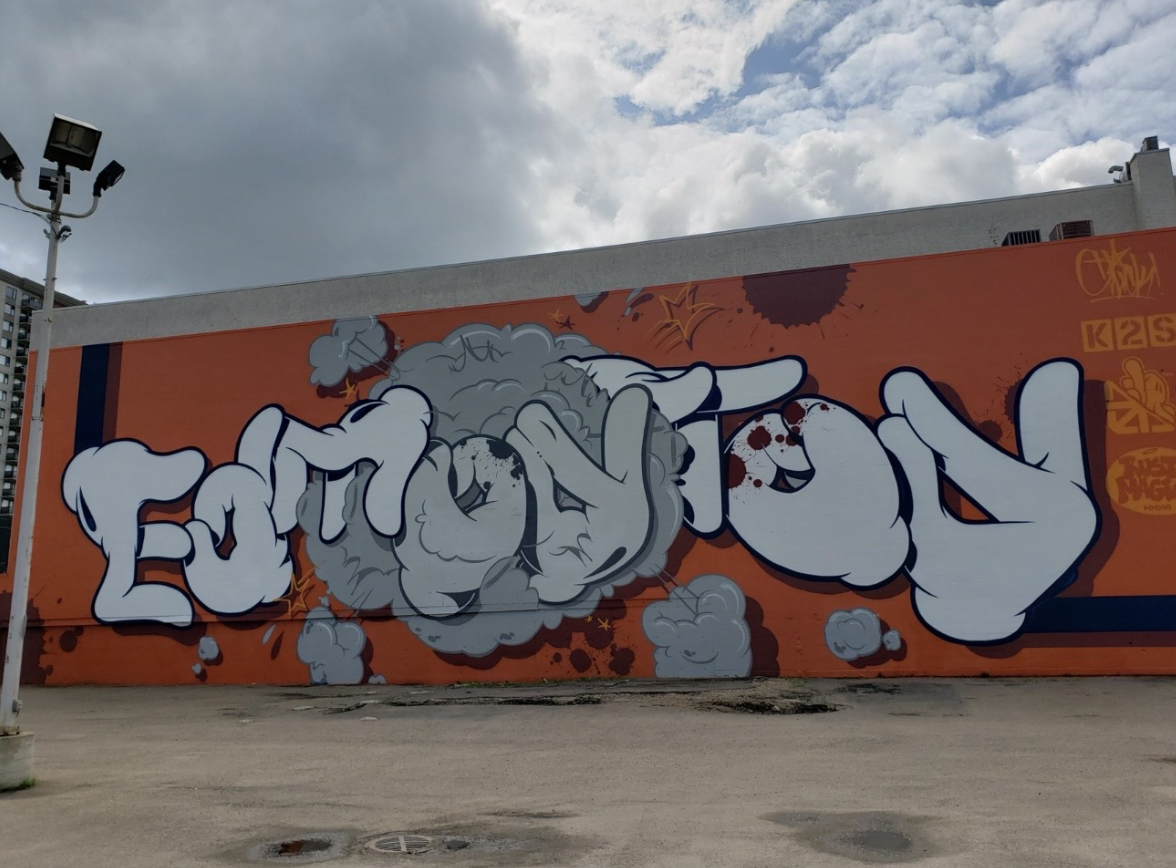

Street art in Edmonton has become an essential part of the city’s cultural pulse, transforming industrial districts, parking lots, and drab facades into an expansive open-air gallery. Thanks to the Rust Magic festival, creative projects by local and international artists, and municipal support, the capital of Alberta has steadily forged its own vibrant street art culture. Large-scale murals have taken center stage, redefining neighborhood identities and carving out new routes for art lovers, particularly in Old Strathcona. In this article on iedmonton.net, we explore how street art in Edmonton evolved, what makes the Rust Magic festival stand out, where to track down the most captivating murals, and how urban art continues to shape the character of this modern city.
From Vandalism to Fine Art: The Evolution of Street Art in Edmonton
For a long time, street art sparked fierce debate. Some viewed it as a vital form of self-expression, while others dismissed it as mere property damage. The line between art and vandalism still stirs discussion among local creatives and residents alike.
Local artist Aja Louden, who creates under the moniker AJA, believes dividing work strictly into illegal graffiti and legal art oversimplifies the reality. Having permission alone does not guarantee artistic value, just as an unsanctioned piece does not tell the full story of the artist’s motives.
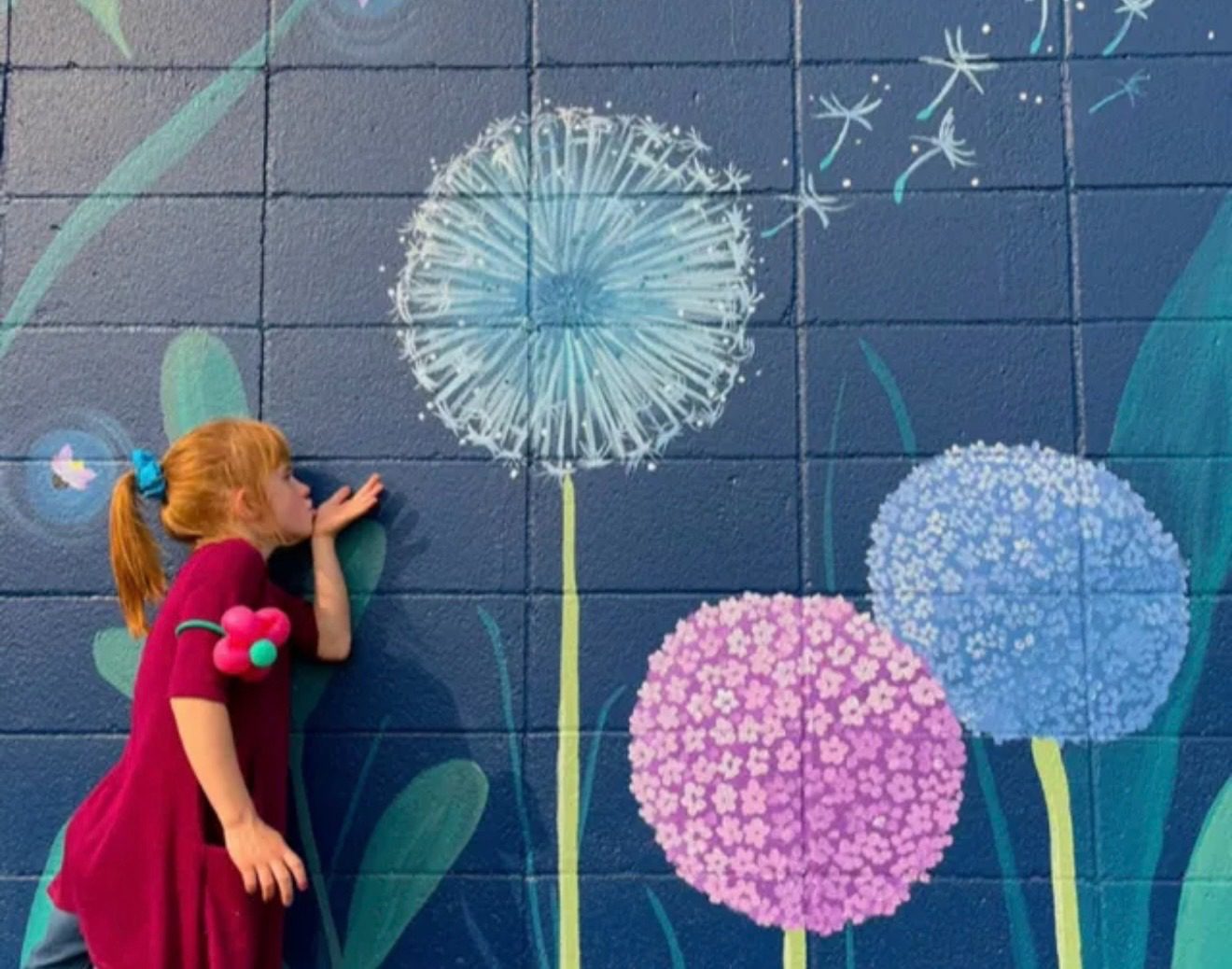
At the same time, growing opportunities to legally paint large-scale murals helped shift public perception. What was once dismissed as petty mischief has gradually woven itself into the city’s cultural fabric. When building owners began opening up exterior walls to artists, it created room for intricate compositions, creative experimentation, and professional growth.
Rust Magic Festival: How It Began and Who Shapes the City’s New Landscape
A pivotal catalyst for street art in Edmonton was the Rust Magic public art festival, founded in 2016 by Annaliza Toledo and Trevor Peters. Their mission was to introduce large-scale international street art initiatives—which they had experienced while traveling across Europe—to their home city. One of their key inspirations was Croatia’s Graffiti na Gradele festival.
The name Rust Magic pays tribute to a vintage aerosol spray paint brand favored by graffiti writers. Choosing this moniker honored the 1990s graffiti culture from which much of modern street art emerged.
The festival quickly revitalized the city streets. In 2017 alone, 23 artists came together to paint 20 walls. Since then, Rust Magic has stood as one of the primary drivers behind the rise of public art across Edmonton.
Since 2016, the project has produced more than 100 murals. By uniting homegrown talent with globally acclaimed creators, the festival has turned blank concrete facades into monumental masterpieces. Notable participants include Spanish artist Okuda San Miguel, American street artist OG Slick, and the Spanish duo PichiAvo. Their contributions put Edmonton firmly on the international street art map.
The Cultural Code of Old Strathcona: Mural Maps and Iconic Locations
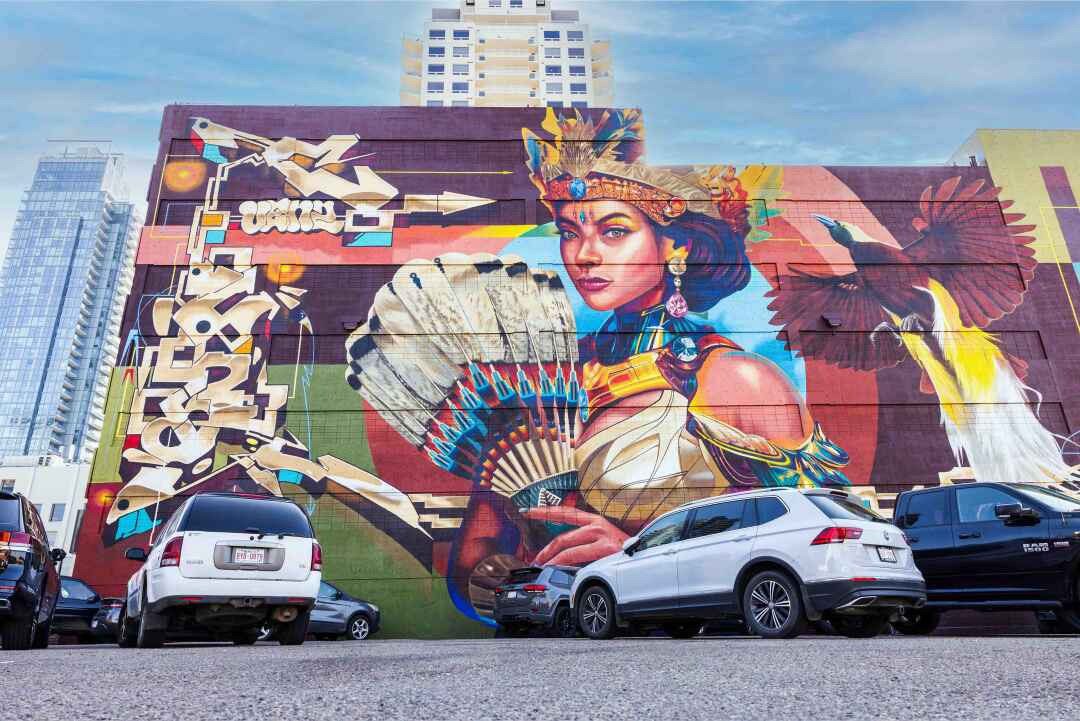
The beating heart of street art in Edmonton is Old Strathcona. The district draws crowds with its lively creative spirit, where buskers, community events, and vivid building facades give the area its distinct flair. Murals here are not confined to main streetfronts; they are also tucked away in cozy alleyways and side streets just off the beaten track.
To guide residents and visitors through this visual treasure hunt, the Old Strathcona Business Association created a dedicated mural map. This illustrated walking guide catalogs over 70 pieces of art, each assigned a specific number.
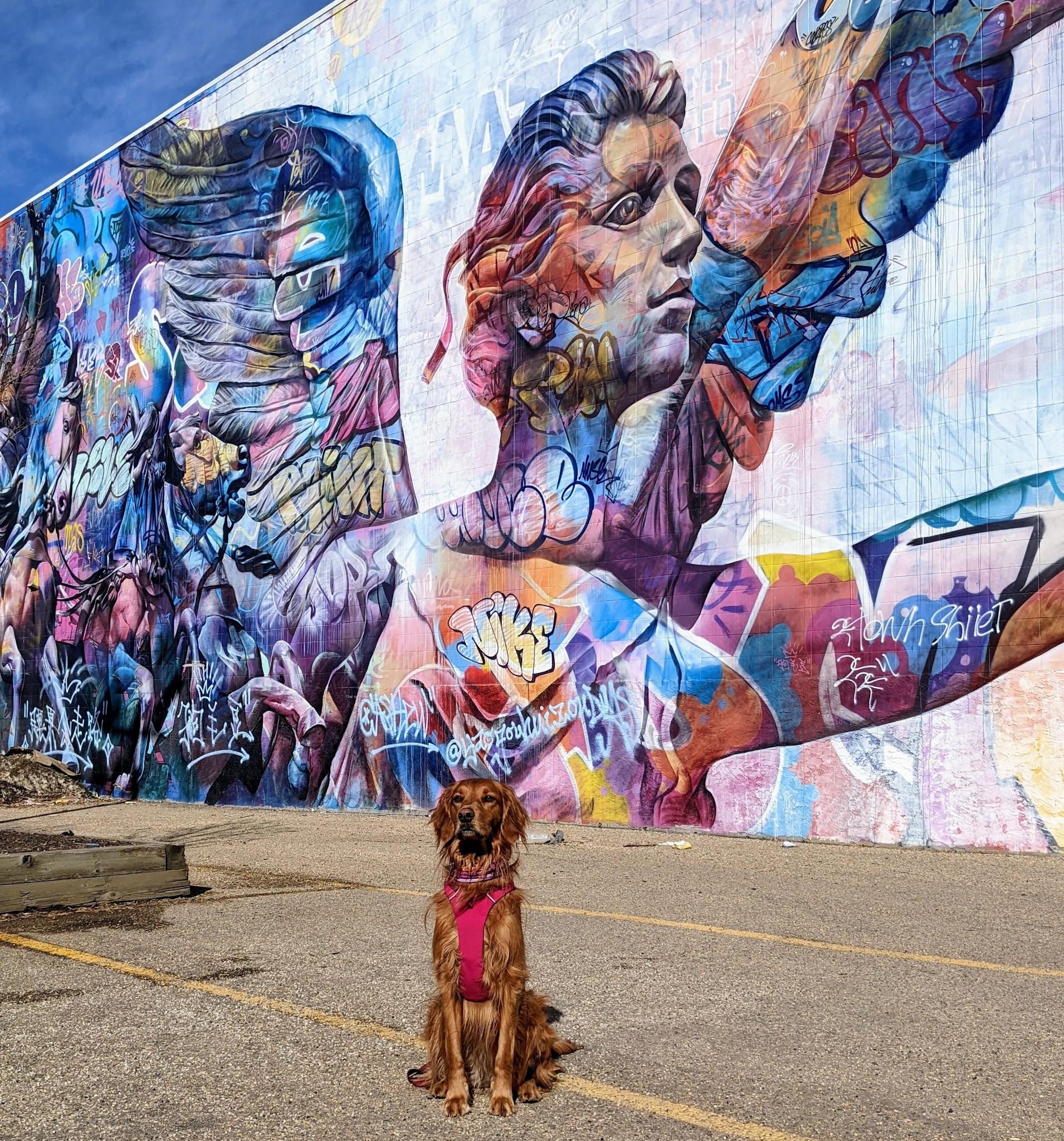
With the map in hand, a casual stroll through the neighborhood turns into an engaging self-guided art tour.
One standout piece is Urban Wildlife (marked as #21 on the map), painted by the Trash Hectic Collective for the 2019 Nextfest festival. You can find this mural tucked into the alleyway behind 10158 82nd Ave.
Teaming Up with the City: Empowering Emerging Talent Through Municipal Grants
Edmonton’s rise as a hub for public art would not have happened without tight collaboration between artists, community groups, and local government. Municipal grants help fund new murals, invite residents into civic arts initiatives, and effectively curb unwanted tagging and vandalism.
The City of Edmonton offers more than 25 grant streams supporting mural production. Beyond beautifying streetscapes, these initiatives are designed to foster community ties and cultivate a sense of shared pride in urban spaces.
Since 2011, the Capital City Clean Up program has funded over 110 murals. On average, a grant covers roughly 60% of project costs—around $6,500. Applicants raise the remaining balance through community leagues and local business sponsorships.
Mentorship has also been central to the philosophy of Rust Magic. Organizers strive to give emerging artists hands-on experience by letting them paint their debut murals alongside seasoned veterans, building the skills and confidence needed for long-term careers.
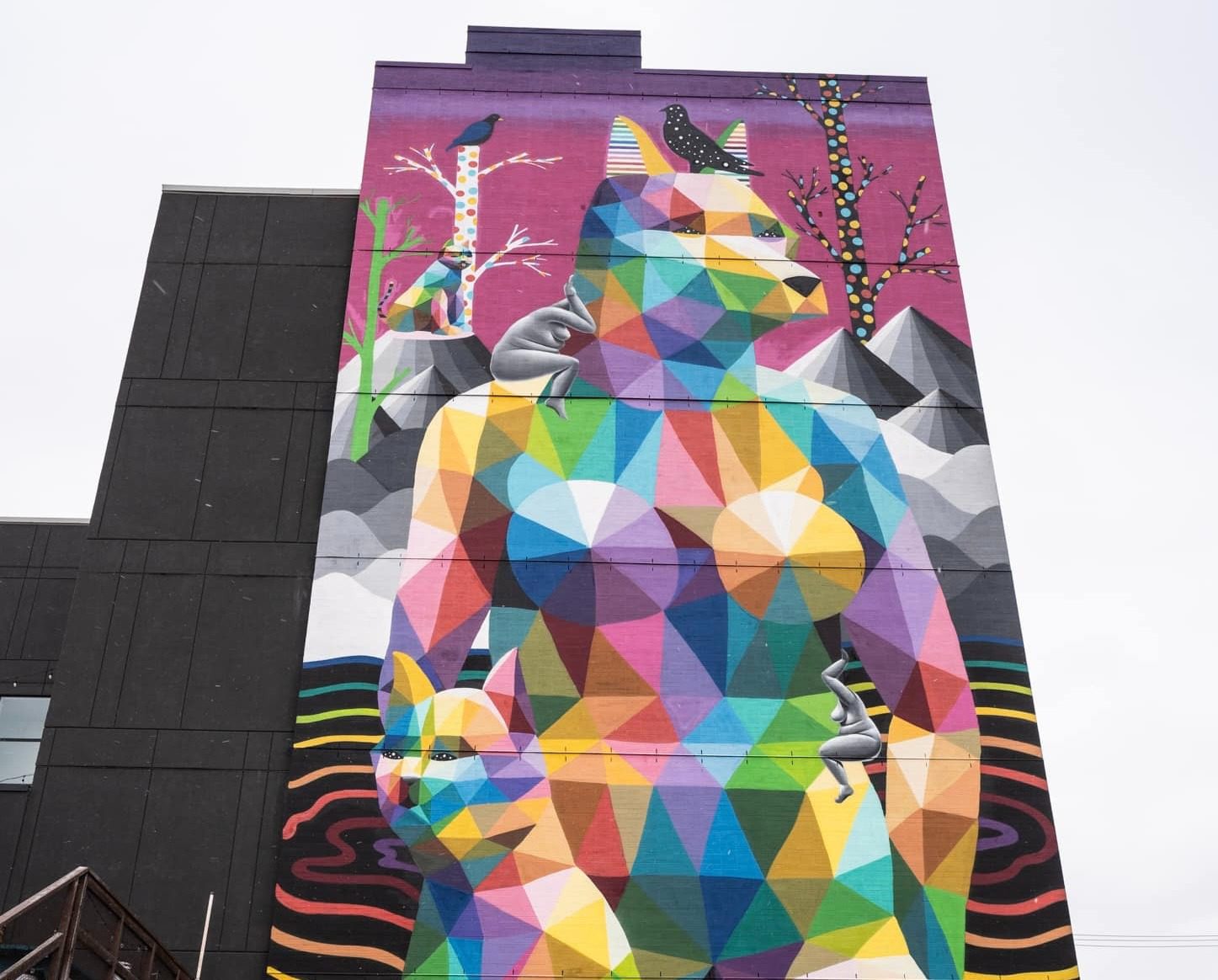
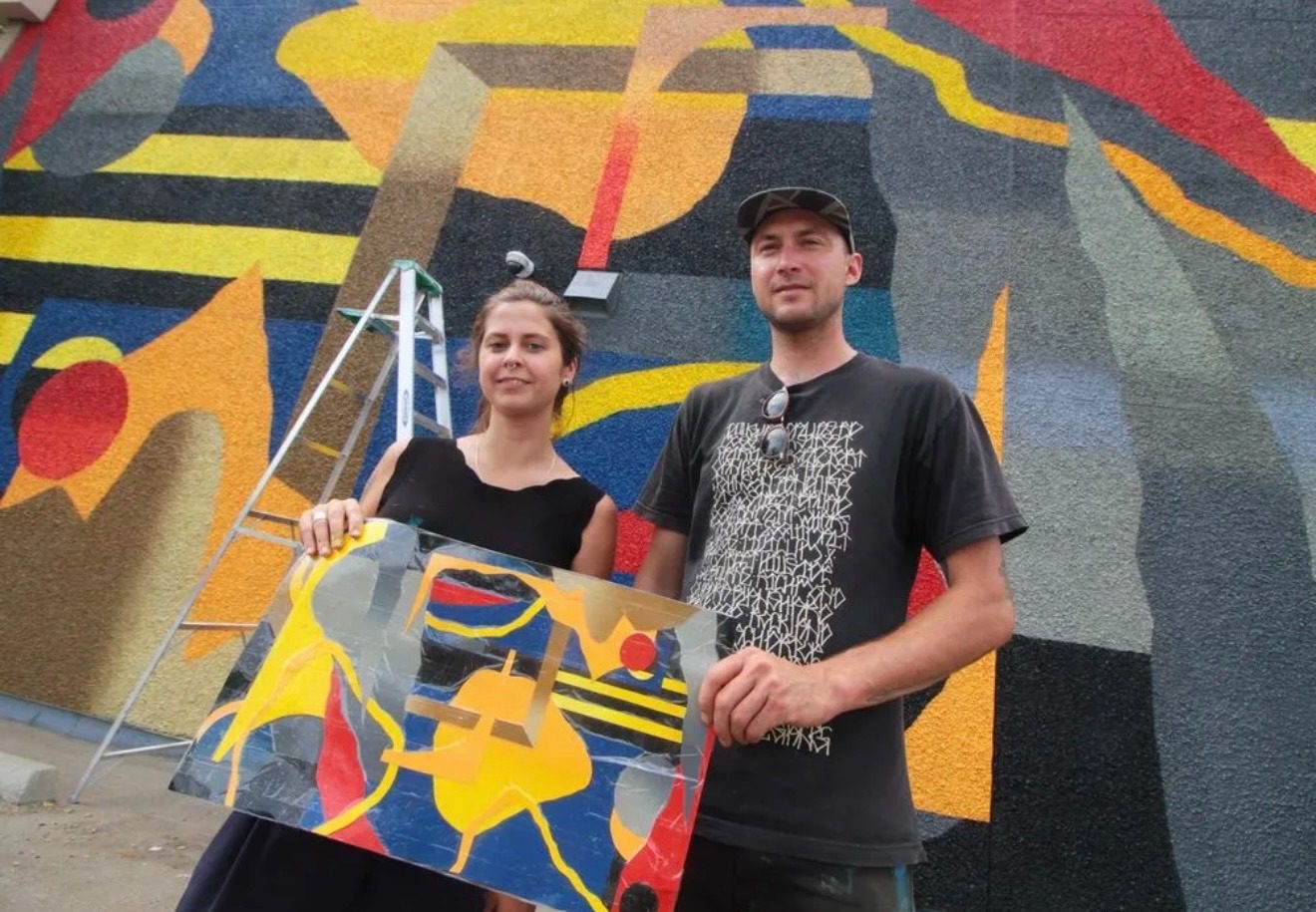
A prime example of this approach was a large-scale project transforming LRT ventilation structures. Artists Wilburn and Volkmann recruited local youth to participate, paying young apprentices for their work while teaching them practical techniques on site.
Through initiatives like these, street art in Edmonton serves as much more than urban renewal—it acts as a catalyst for creative growth, workforce training, and youth engagement.
World-Class Talent and Standout Concepts: From Chopstick-Wielding Cougars to Freemasons Hall
Edmonton’s murals are celebrated not just for their scale, but for their imaginative concepts. Every wall carries an underlying story, mirroring the eclectic styles and dynamic culture of the city.
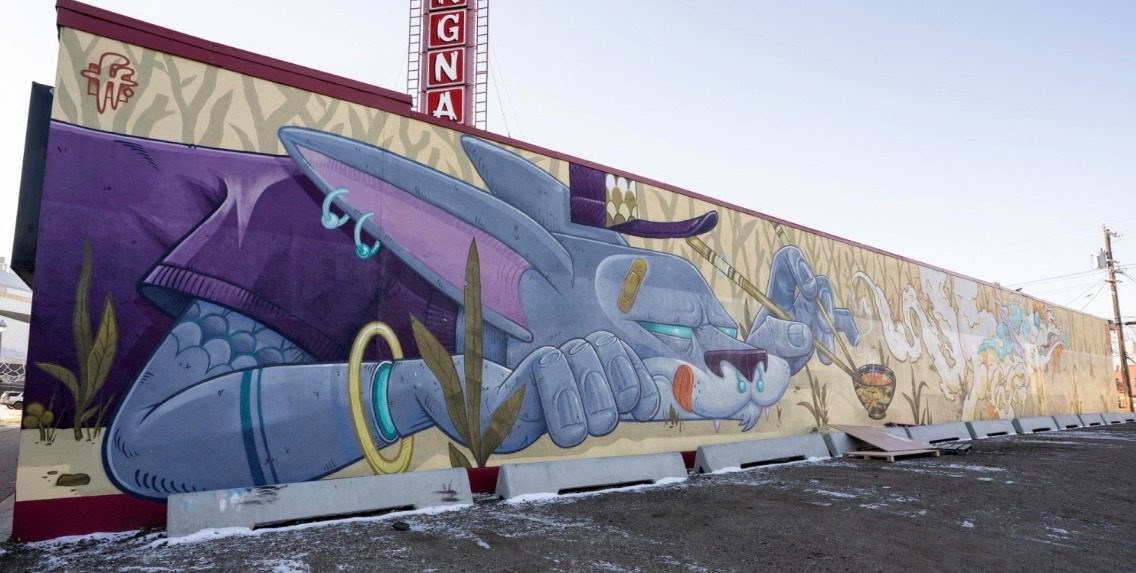
Just steps away from downtown Edmonton’s ice district and Rogers Place arena, Barcelona-based artists Kram and Eledo turned an exterior wall of the historic Lingnan restaurant into a striking canvas. The star of the mural is a hungry purple cougar clutching chopsticks. This whimsical visual injects playful humor into the streetscape, instantly setting the landmark building apart from its surroundings.
Another headline-grabbing piece graces the Freemasons Hall downtown. Created by renowned graffiti writer Bacon (Alex Lazich) alongside the Edmonton Mural Festival, the work was made possible through support from the Edmonton Arts Council and city officials. What makes it unique is its fusion of visual art and sound: partnering with local radio station Sonic 102.9, the mural pays homage to the electric energy of Edmonton’s underground music scene.
Collaborations like these highlight how modern murals push past conventional paint on plaster, capturing the essence of the city by intertwining diverse artistic mediums.
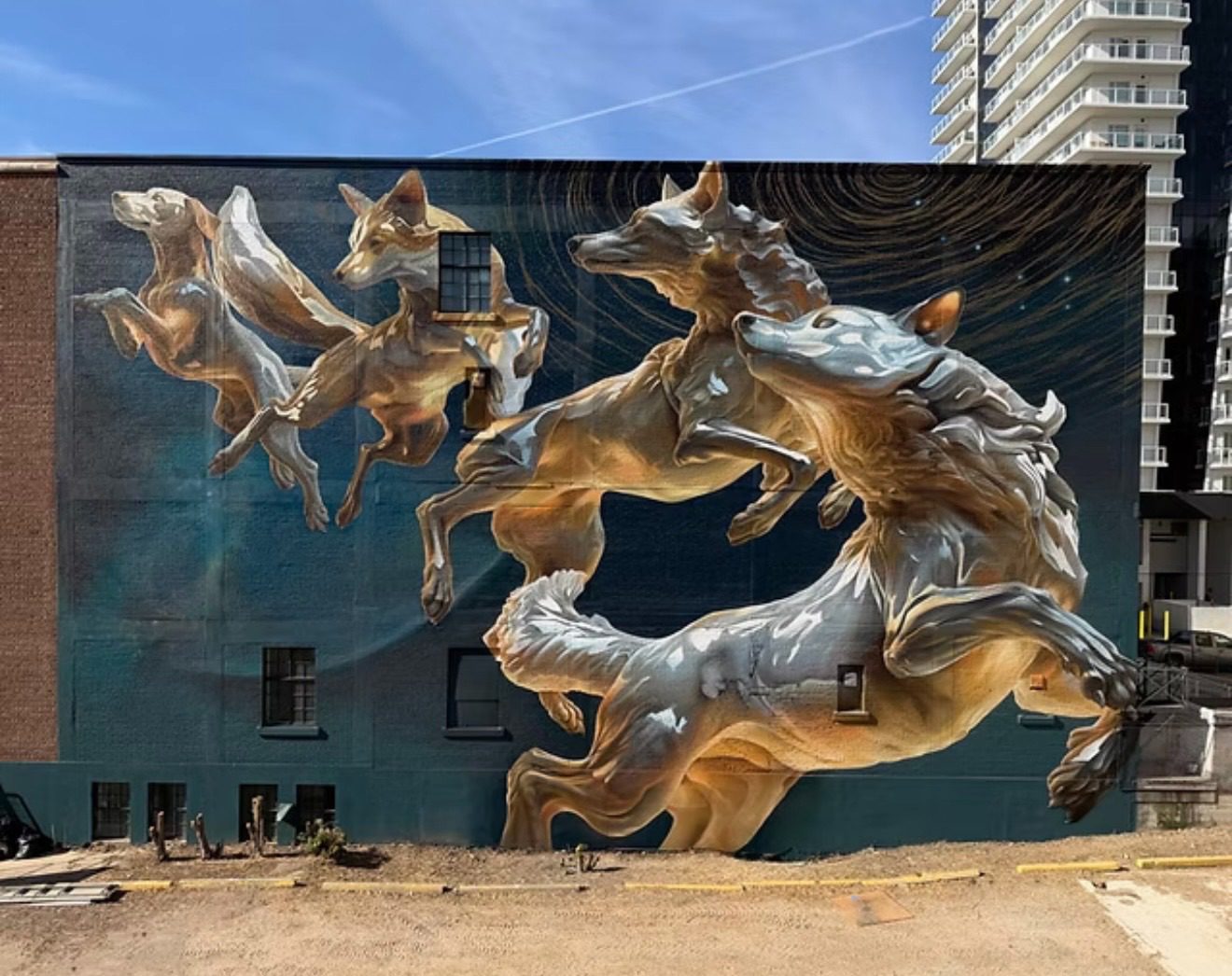
The impact of murals in Edmonton extends far beyond aesthetics. They challenge how we perceive street culture, enrich the urban environment, and bring fresh vibrancy to central neighborhoods. These shifts resonate strongly with locals, particularly students and young creatives. For countless residents, murals have democratized art—making it accessible to anyone taking a stroll through town.
Street art in Edmonton has come a long way from its underground roots to become a cornerstone of the city’s identity. Propelled by trailblazers like the Rust Magic festival, municipal funding programs, and grassroots energy, once-bleak industrial walls have blossomed into a living outdoor gallery. These monumental murals do far more than decorate the urban sprawl—they inspire next-generation creators and cement Edmonton’s standing as an inventive, culturally vibrant city.