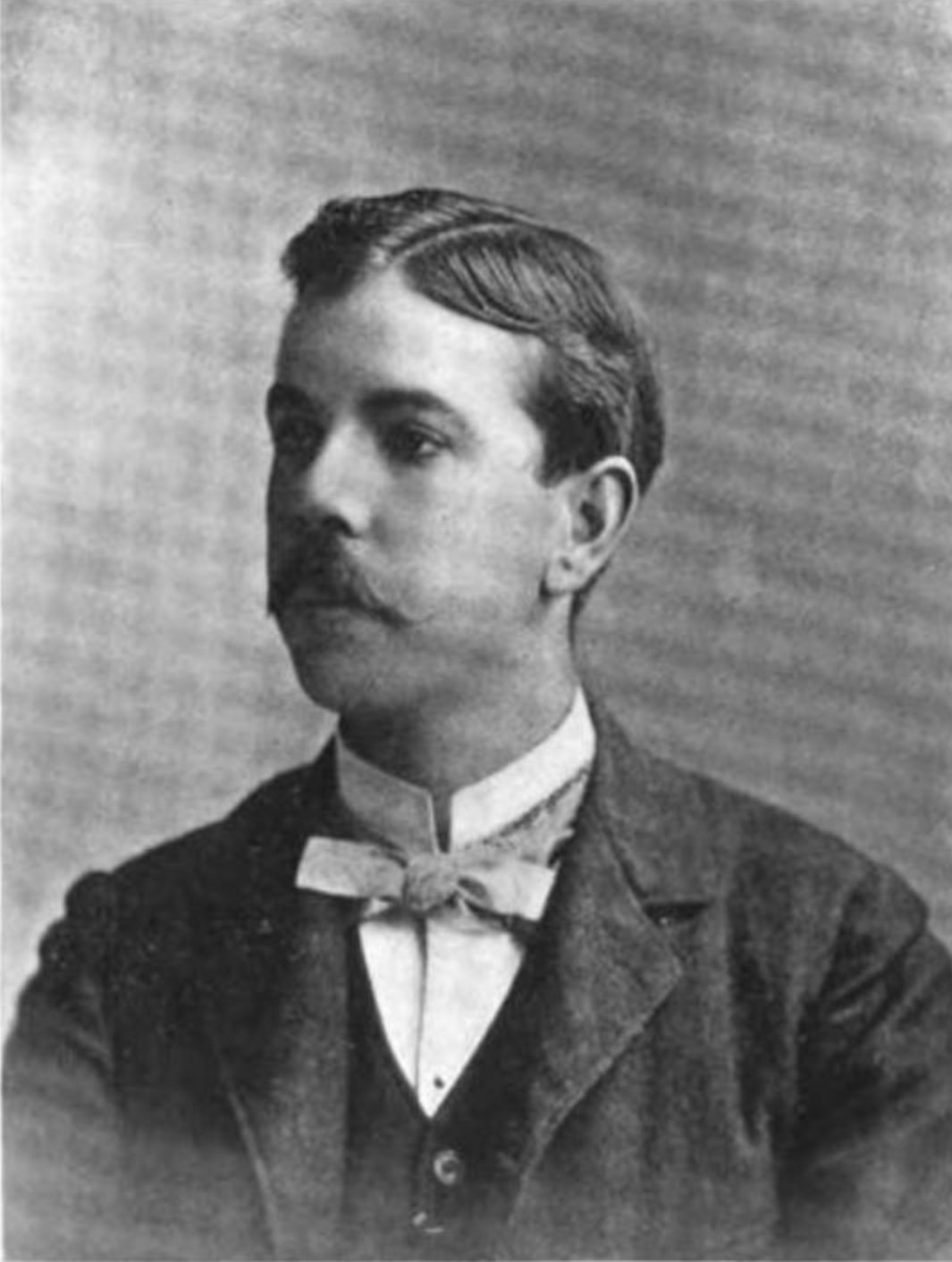

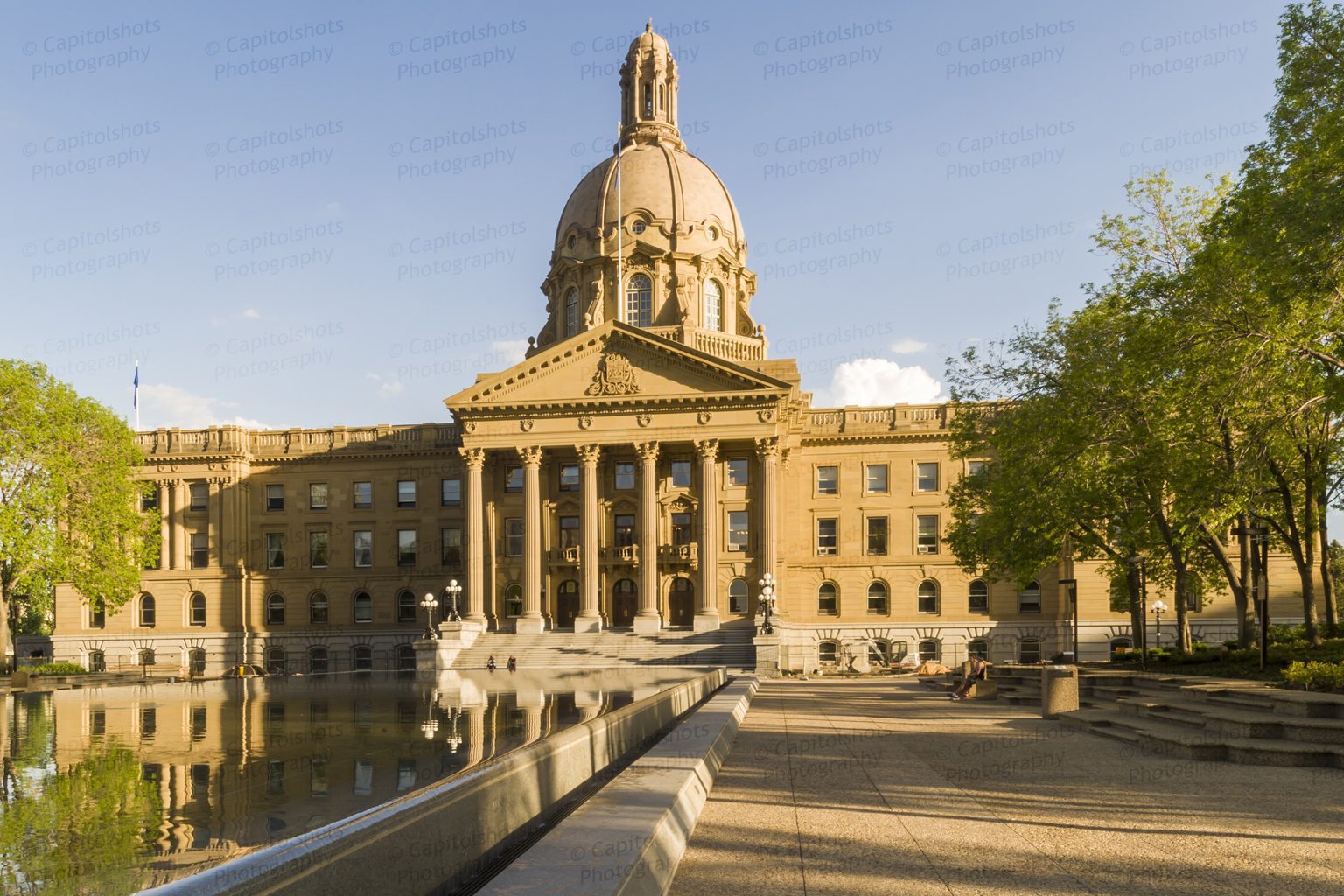
Edmonton is a city filled with unique and stunning architecture. Among its landmarks, the Alberta Legislature Building stands out, a striking example of Colonial Revival style, constructed in the early 20th century. This architectural masterpiece was brought to life by Allan Merrick Jeffers, one of the finest architects of his time. More on iedmonton.net.
After winning an architectural design competition, Jeffers caught the attention of Alberta’s first Premier, Alexander Rutherford, who invited him to Edmonton to design the Alberta Legislature Building. Despite spending only a short time in the province, Jeffers made a lasting impact on Edmonton’s architectural landscape.
Life and Career
Allan Merrick Jeffers was born in Pawtucket, Rhode Island, where he studied at the Rhode Island School of Design. He began his career working for the Rhode Island Legislature and gained recognition through his participation in various architectural design competitions, establishing himself as a rising talent.
His work attracted the attention of Alberta’s Premier Alexander Rutherford, who hired him to design the province’s Legislative Building. Though Jeffers faced competition from other architects, his vision ultimately won.
Key Achievements
Jeffers’ main competitor was Cecil Hopkins, Edmonton’s first city architect, who had already retired but submitted a design resembling the British Columbia Legislature Building. However, the provincial government rejected Hopkins’ proposal and selected Jeffers to lead the project.
In 1907, Jeffers relocated to Alberta and signed a contract to design the Legislature Building. The project was planned to take five years, with a budget of $5 million. Constructed almost entirely by hand, the building required over 2,000 tons of marble imported from Quebec, Belgium, and Italy.
Despite the challenges, Jeffers was inspired and motivated. Historians suggest that Rutherford and Public Works Minister W. Cushing instructed Jeffers to design the building based on the Minnesota State Capitol in St. Paul, which they had visited prior to the project. Other historians believe the Alberta Legislature shares similarities with the Rhode Island Capitol, where Jeffers had worked earlier. Given the widespread influence of French neoclassical architecture on North American governmental buildings, it’s not surprising that the design featured neoclassical elements.
By 1912, the Legislative Building was completed, marking a significant achievement for Alberta. Jeffers was appointed city architect the same year, overseeing several other municipal and provincial projects, including Edmonton’s Courthouse, Athabasca Hall, and other notable structures.
Departure from Edmonton
Jeffers continued working in Edmonton until 1923, when he unexpectedly left the city for Prince Rupert, British Columbia, and later California. Speculation about his departure points to a lack of large public contracts during the post-war economic downturn and the lure of wealth and fame as a decorator in Hollywood.
Regardless of the reasons, his departure was a great loss to Alberta’s early architectural community. However, his contributions left a lasting legacy, cementing his place in the province’s history.
Jeffers passed away shortly after moving to California in 1927.