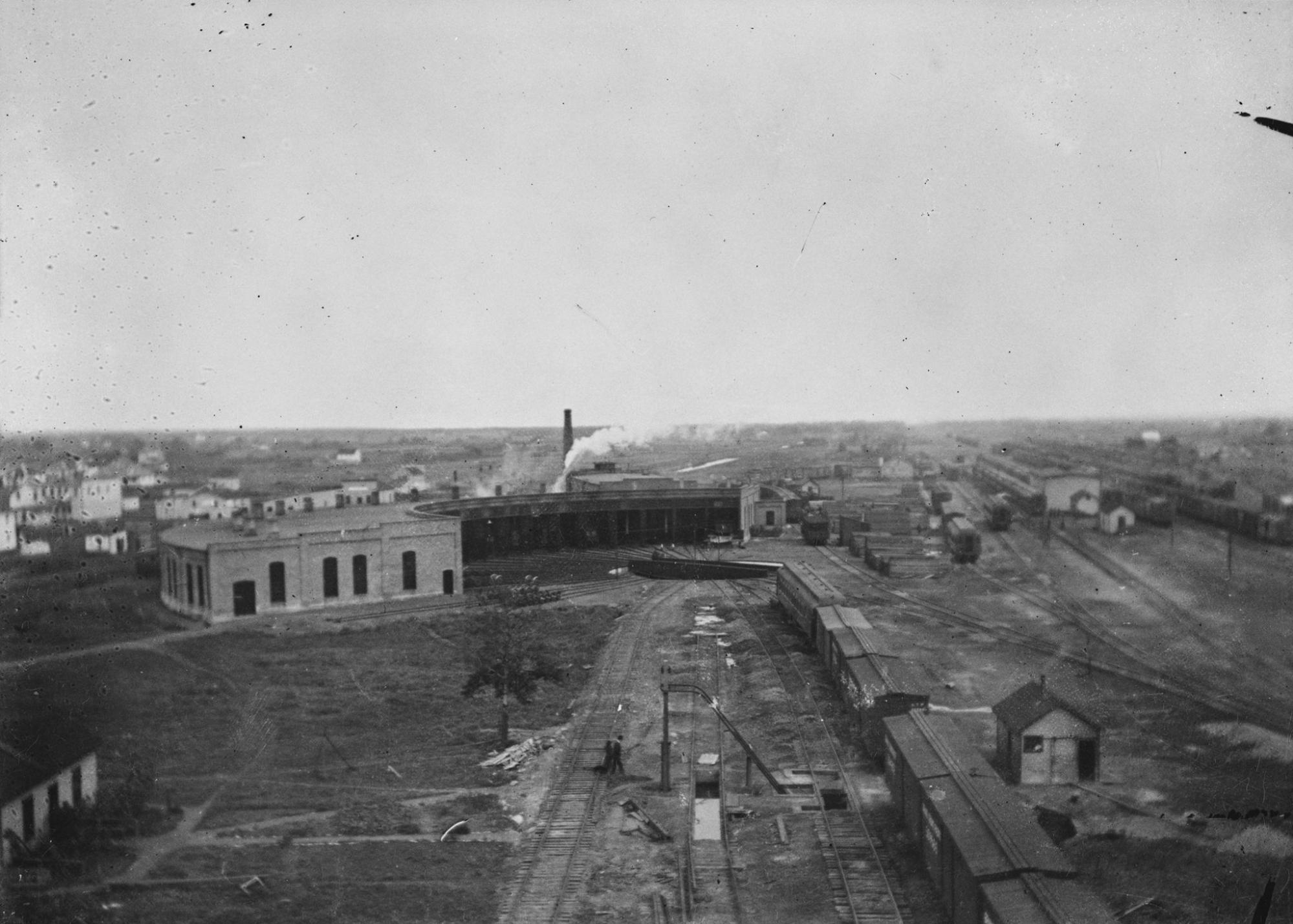

Edmonton is home to many unique neighborhoods, but few carry the historical and industrial legacy of Calder. Originally built around the railway, Calder was the first Edmonton district where trains brought immigrants. To this day, the railway remains a central part of Calder’s identity. More on iedmonton.net.
Hugh Calder and the District’s Beginnings
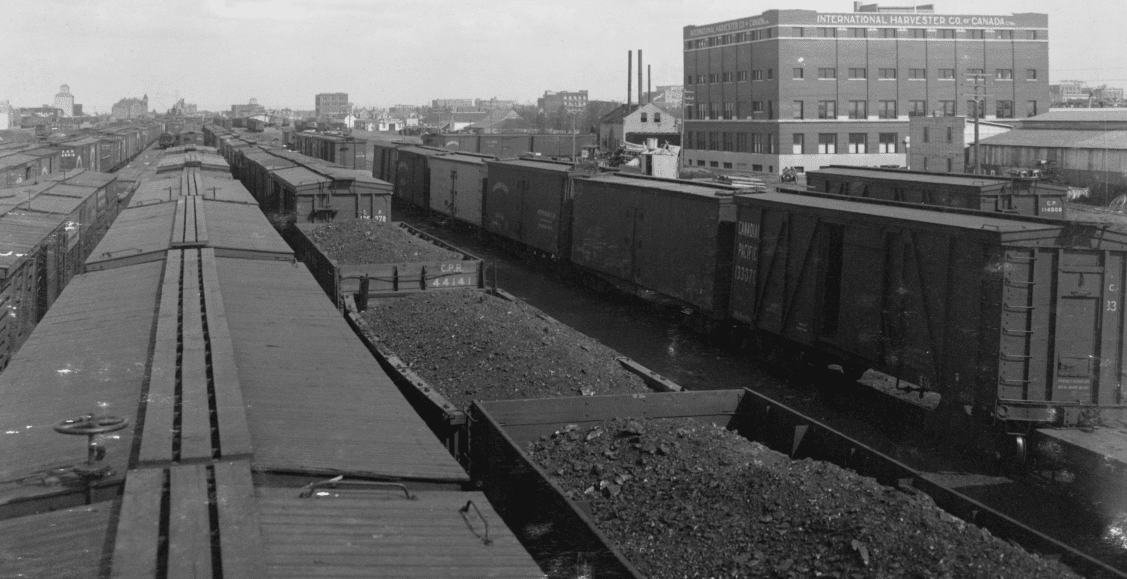
Calder’s history dates back to the early 20th century when the Grand Trunk Pacific Railway (GTPR) constructed facilities, repair shops, and rail yards in the area. In the fall of 1908, construction began on a $10,000 project. Railway workers set up makeshift camps near the newly laid tracks.
When the railway became operational, GTPR employed 200 people. The first building was completed in 1909, and shortly after, the first retail merchants arrived in West Edmonton.
West Edmonton Village was officially established in July 1910, and its first council meeting led to the creation of the area’s first Presbyterian school.
Hugh Calder played a significant role in the early development of this district. Known for founding Labrador’s first forestry company, Calder was also deeply involved in the construction of the GTPR railway and land trading. He later served as an alderman.
In 1910, Calder purchased 160 acres of land in West Edmonton and founded the Calder Land Company. A 1911 Edmonton newspaper advertisement described the village as a future industrial hub. At the time, it already boasted 45 houses, three churches, a school, and telephone lines.
The advertisement also mentioned newly constructed roads such as Grace Berta, Notre-Dame, and Agnes, with the main thoroughfare (now 127 Avenue) called Brandon Avenue. Calder’s company offered 644 lots at $224 per acre, with an initial payment of $58 and the remainder to be paid over two years at 7% interest. Land sales flourished, and within months, the village population exceeded 400 residents.
Growth and Expansion
By 1912, Edmonton experienced rapid development. Calder’s company expanded to markets in the Bronx and sold 1,200 lots within three days. Due to high demand, land prices in West Edmonton soared to $400 per acre by the year’s end. Although officially registered as West Edmonton in 1912, the community became widely known as Calder, a name that has endured.
An article in the Edmonton Daily Capital in 1913 highlighted Calder’s transformation from a village into a bustling district. The area had grown significantly in just three years, with a population boom and thriving industrial enterprises that generated a monthly payroll of $35,000.
Despite industrial growth, Calder lacked modern amenities such as electricity, running water, sewage systems, and bus services. In 1915, the Edmonton Bulletin reported a pressing need for these conveniences, noting the community’s hopes for urban infrastructure improvements.
This spurred Hugh Calder to negotiate with Edmonton’s city authorities to annex the district. The agreement was finalized in 1917, but urban development continued for many years.
Modern Calder
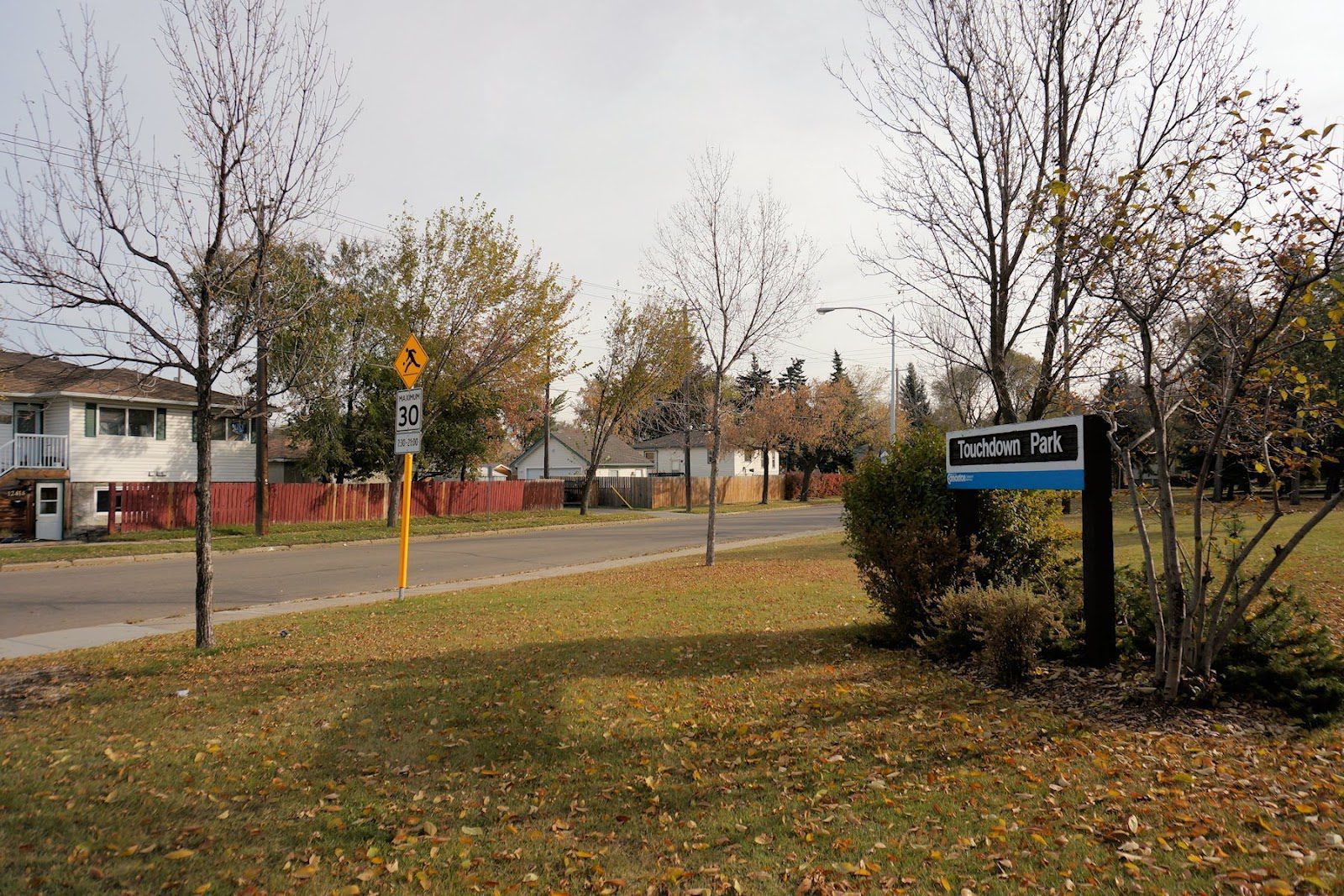
By the 1950s, Calder had undergone significant upgrades. All roads were paved by 1950, and a functional sewage system was installed in 1953. That same year, the district’s northern and eastern sections were subdivided, with portions of the land repurposed into small parks, a popular design element at the time.
Today, Calder encompasses the original West Edmonton village and Elm Park. Notable landmarks include the historic Dover Hotel, built at a cost of $50,000, and Orbeck’s Store. The latter was beloved by Calder School students, who often skipped class to buy candy there. Known for its extensive selection of sweets, Orbeck’s Store remains a cherished memory of Calder’s vibrant history.