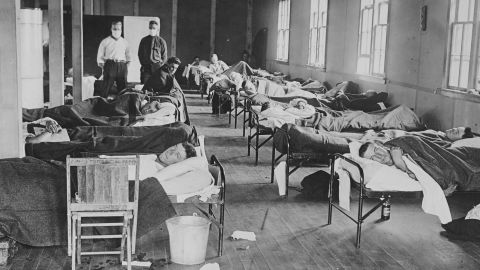

The Canadian influenza epidemic brought devastation to Edmonton and the rest of the country. Soldiers returning from the trenches of World War I faced the deadly Spanish flu, which swept through the city with unparalleled ferocity. More on iedmonton.net.
The Outbreak in Edmonton
In the fall of 1918, a deadly wave of influenza paralyzed Edmonton and much of Canada. Schools, churches, and entertainment venues shut down, while businesses crumbled under the strain. Overwhelmed doctors struggled to manage the crisis. At its peak, funeral homes and gravediggers could not keep up, and hearses were replaced by cars and wagons transporting coffins to cemeteries.
Every death carried its own tragedy. Arthur Barton from Manitoba, who joined the army at 14, died in 1918 just days before the war’s end. Lieutenant Harry Halliwell from Edmonton contracted the flu during a dog-recruiting mission in Alberta, and his wife succumbed after nursing flu-stricken patients. In Montreal, Mr. and Mrs. Quinn and their infant all died on the same day.
The Spanish flu became one of history’s deadliest pandemics. In Edmonton alone, 30,000 people succumbed to the virus within a month. The flu caused complications such as pneumonia, which rapidly destroyed lung tissue and led to death.
Symptoms and Initial Treatments
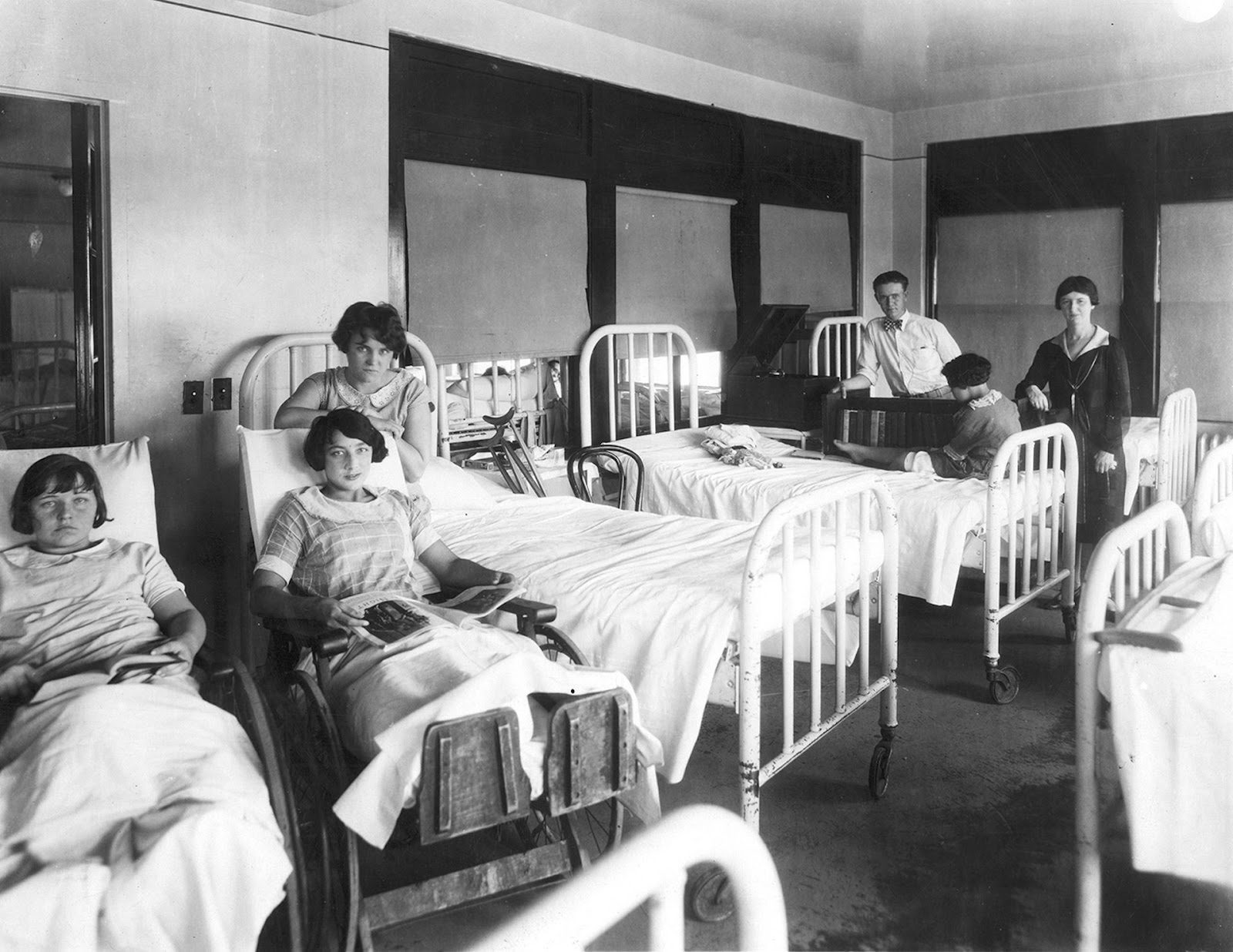
Archival records from Alberta provide detailed accounts of the epidemic and treatment methods. Dr. Levi, a Canadian physician, noted that a few days of observation were often needed to distinguish between a common cold and influenza. Symptoms of the flu included:
- Headache
- Chills
- Cough
- Fever
- Muscle and joint pain
Elderly individuals were particularly vulnerable. In the Canadian Medical Association Journal (1919), Quebec physician Dr. Robertson described horrifying symptoms: red eyes, nasal congestion, a tongue coated with thick white film, and hot, clammy skin. Patients produced blood-tinged sputum, had blue-tinged fingers, and struggled to breathe before succumbing to respiratory failure.
Isolation was a key method of controlling the flu’s spread. Public gatherings in churches, shops, and other venues were prohibited. Interestingly, some archival sources suggest the flu may have shortened World War I, as soldiers on both sides fell ill and died. Many returning home brought the virus with them.
Treatment Methods
At the start of the Edmonton outbreak, there were no vaccines or specific treatments for influenza. Laboratories worked around the clock to develop a vaccine. Meanwhile, doctors employed various measures to manage symptoms and curb the virus’s spread.
- Alkaline remedies: To combat acidosis, physicians prescribed substances like baking soda, potassium citrate, limewater, and milk.
- Heroin: Used in moderate doses to alleviate coughing and insomnia.
- Salt solutions: Administered to cleanse the gastrointestinal tract.
- Aspirin: Recommended for fever and pain relief.
Desperate Edmontonians resorted to remedies like camphor and laxatives, despite doctors warning of their ineffectiveness. Alcohol was commonly used for pain relief. Advertisements from local businesses promoted various unverified products claiming to protect against the flu, though their effectiveness was doubtful.
Legacy of the Epidemic
The Spanish flu profoundly impacted Edmonton and the world. Its rapid spread, high mortality rate, and lack of reliable treatments underscored the need for advancements in public health and vaccine development. The epidemic left an indelible mark on the city’s history, shaping its healthcare practices for years to come.