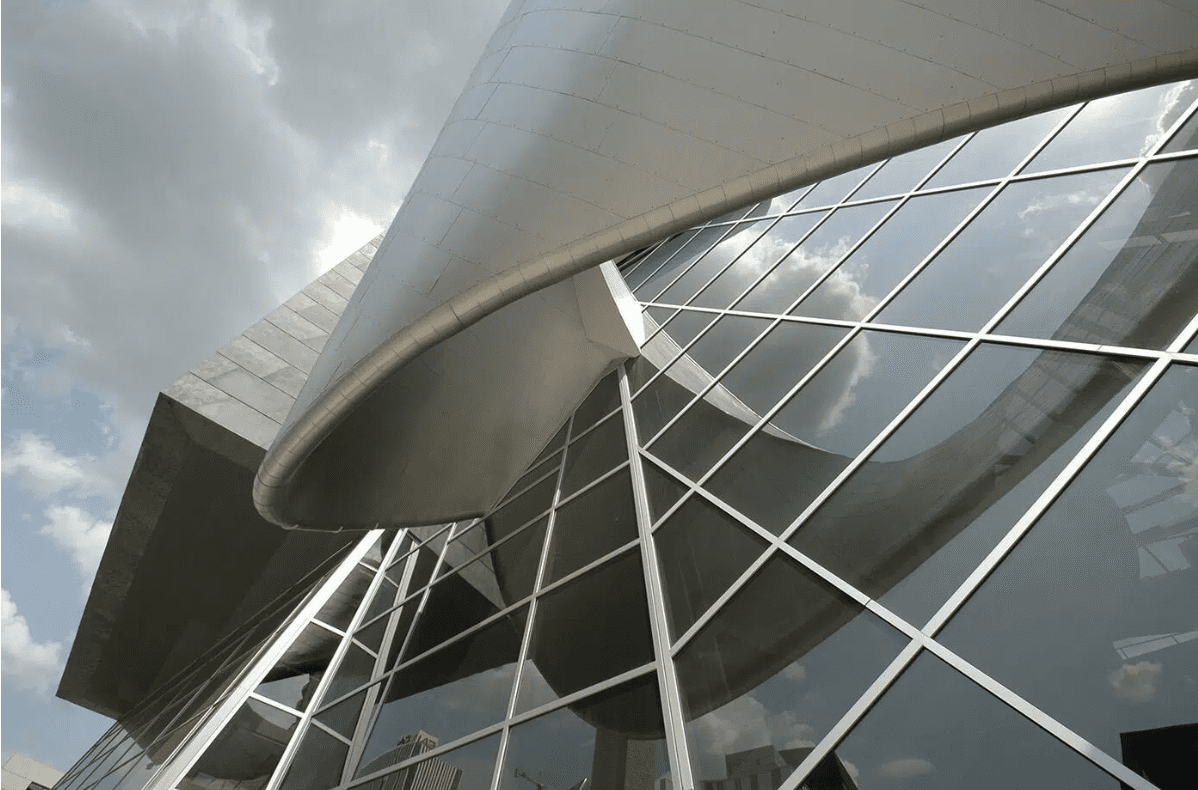

Randall Stout is one of the most interesting architects of the late 20th and early 21st centuries, whose works are distinguished by their boldness, emotionality, and dialogue with nature. Randall Stout founded his own architectural firm and became famous for projects that combine innovative technologies, naturalness, and sustainability. He is the creator of the incredible Art Gallery of Alberta building, thus cementing his place in Edmonton’s architectural history forever. In this article on iedmonton, we will talk about his journey and the other museums he worked on.
Stout’s Life Story
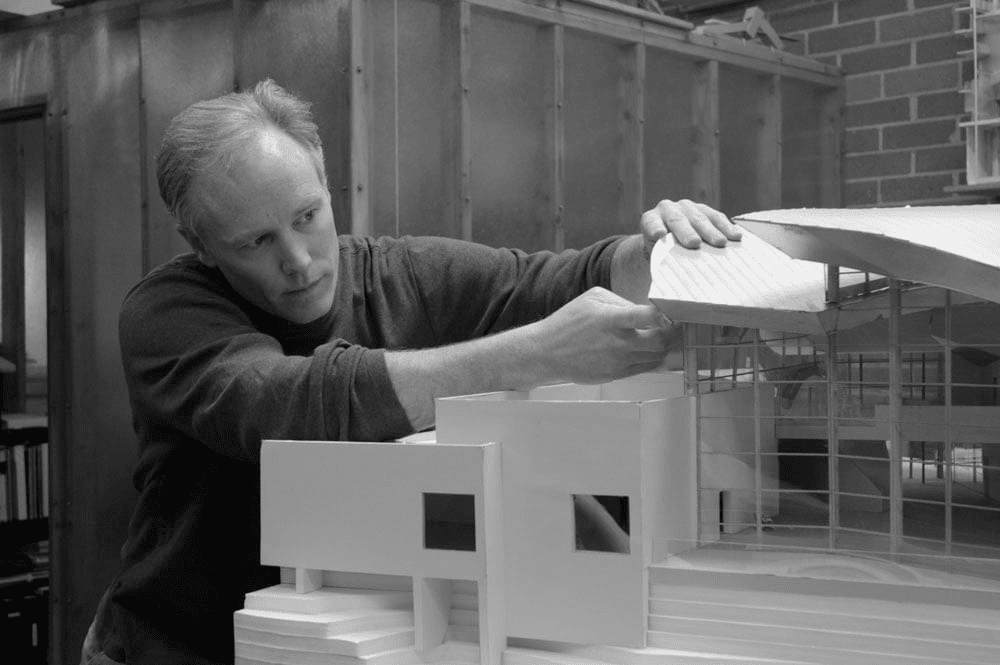
Randall Stout was born in Knoxville. He was born to a science teacher and a dairy plant worker. Stout was educated at the University of Tennessee. Afterward, he worked at the Tennessee Valley Authority and continued his studies at Rice University. Later, the architect worked for the firms “Skidmore” and “Merrill”.
In 1989, he moved to Los Angeles to join the office of “Gehry Partners”. He was a senior architect at the company and worked on projects such as the Vitra Design Museum in Weil am Rhein and the Walt Disney Concert Hall in Los Angeles.
In 1996, he founded his own self-titled firm and immediately received several commissions in Germany. Initially, these were medium-sized projects like utility companies and power stations. These buildings became local landmarks, and their avant-garde forms showcased the progressive approach of the institutions. It could be said that Stout experimented and learned on these buildings before taking on his major projects.
Stout died of cancer in 2014. At the time of his death, he was an associate professor at the University of Nevada’s School of Architecture. He was survived by his mother, a sister, a brother, his wife Joelle, and three children. Stout had been treated for cancer for two and a half years and continued to go to the office throughout that time to complete work on a pedestrian bridge over the Trinity River in Fort Worth.
Stout’s Major Works
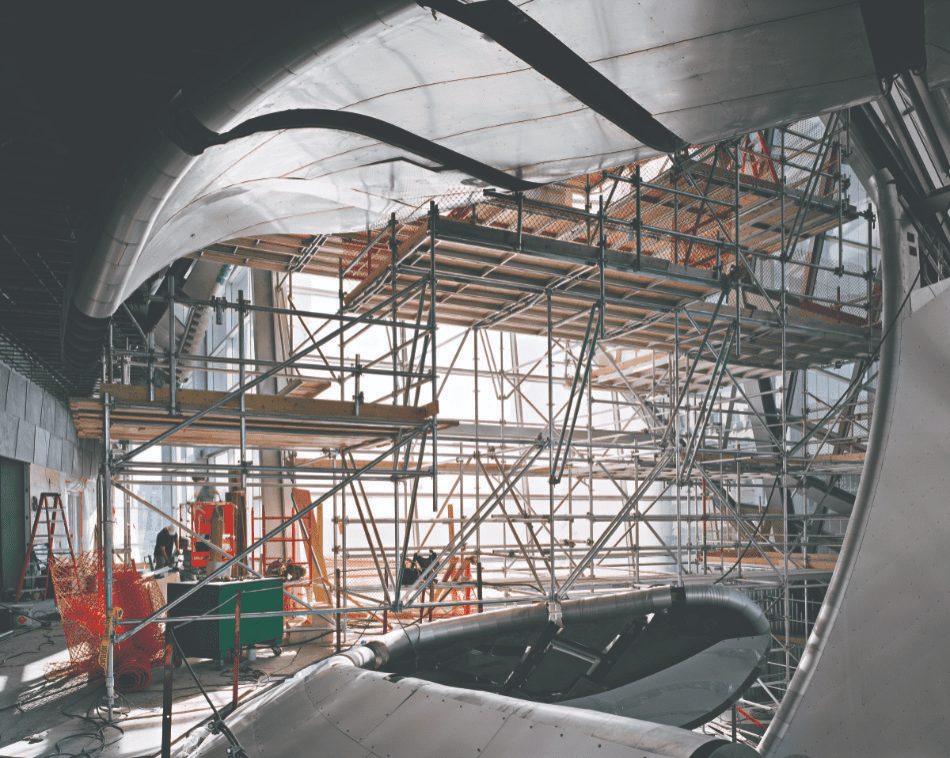
Randall Stout gained international fame by creating several unique museums. He was a prolific museum designer and consultant. In addition to the Art Gallery of Alberta in Edmonton, he also designed the Hunter Museum of American Art in Chattanooga. Stout created a building that truly seems alive. Its forms are reminiscent of the movements of the nearby Tennessee River. The aluminum panels on the facade reflect light, creating the effect of a “living building”.
The Taubman Museum of Art in Roanoke is another example of Stout’s architectural work. Stout grew up nearby and always emphasized this museum’s connection to the region’s nature: its undulating roof and the gradient lines of the facade echo the silhouettes of the mountains.
The Abroms-Engel Institute for the Visual Arts is another of the architect’s well-known works. The building has an expressive form with numerous protrusions. The central atrium is filled with natural light and serves as the core of the building, surrounded by galleries, classrooms, and lecture halls. Despite the building’s unusual shape, its facades are not intrusive but seem open to the urban space, integrating the museum into the landscape and the daily life of the city.
In 2005, Stout won the competition to design the Art Gallery of Alberta. While working on the project, Stout was inspired by the aurora borealis. He created a structure that resembles a swirling energy field. He often found inspiration in nature and rugged natural forms, such as the weathered walls of canyons and mountains. All his structures also looked very natural. “He believed in architecture as a spiritual calling, not just a profession,” said Marci Goodwin of the firm M. Goodwin Museum Planning, who worked with Stout on a dozen projects.
View on Architecture
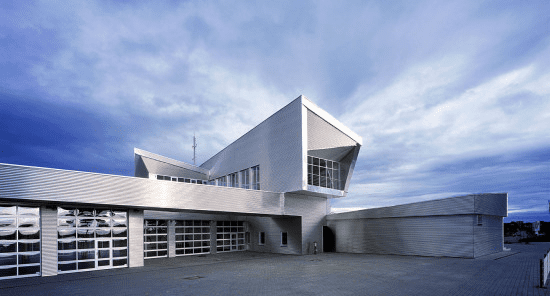
Randall Stout believed that architecture has the ability to transcend known architectural styles and create emotional experiences. In his work on all museums, he sought to give visitors diverse and fresh impressions. When visitors encounter something new in architecture, they cannot rely on their knowledge of architectural styles. Exploring such buildings requires a deeper, personal reaction. We can confidently say that Stout managed to impress many visitors to the art museums he designed.
At the same time, Stout believed that the history of architecture is important because it qualifies the architecture of the past not just as a science of building, but as an art with broader goals. Stout himself admired Edmonton’s Hemingway Pool, considering it an example of excellent design craftsmanship.
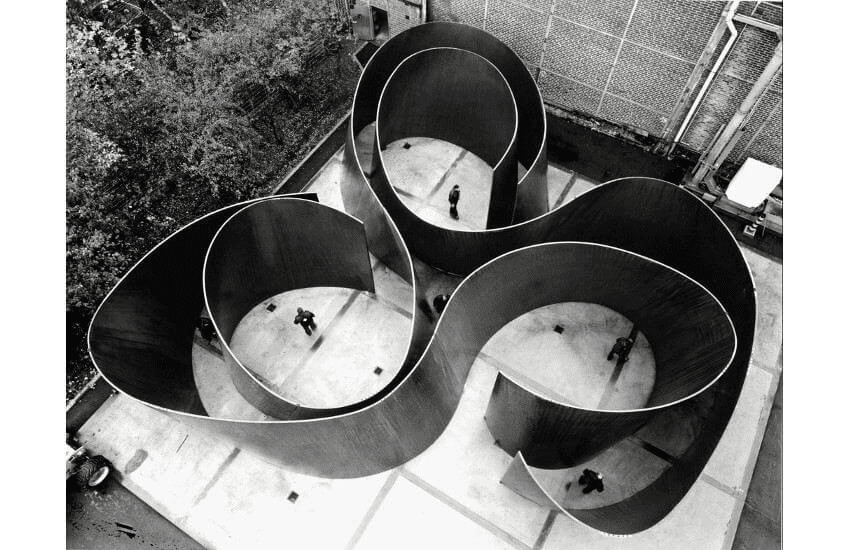
Stout’s style was heavily influenced by the artist Richard Serra, who explored issues of space and the human reaction to different spaces in his work. Serra’s works engage people with their scale and composition. Stout’s architecture functions in the same way.
In summary, Randall Stout left behind an architectural legacy that is striking in its philosophy. His buildings are not just functional objects, but living organisms that awaken a host of emotions in visitors. Stout saw architecture as a form of art meant to provoke a reaction, inspire, and transform space.